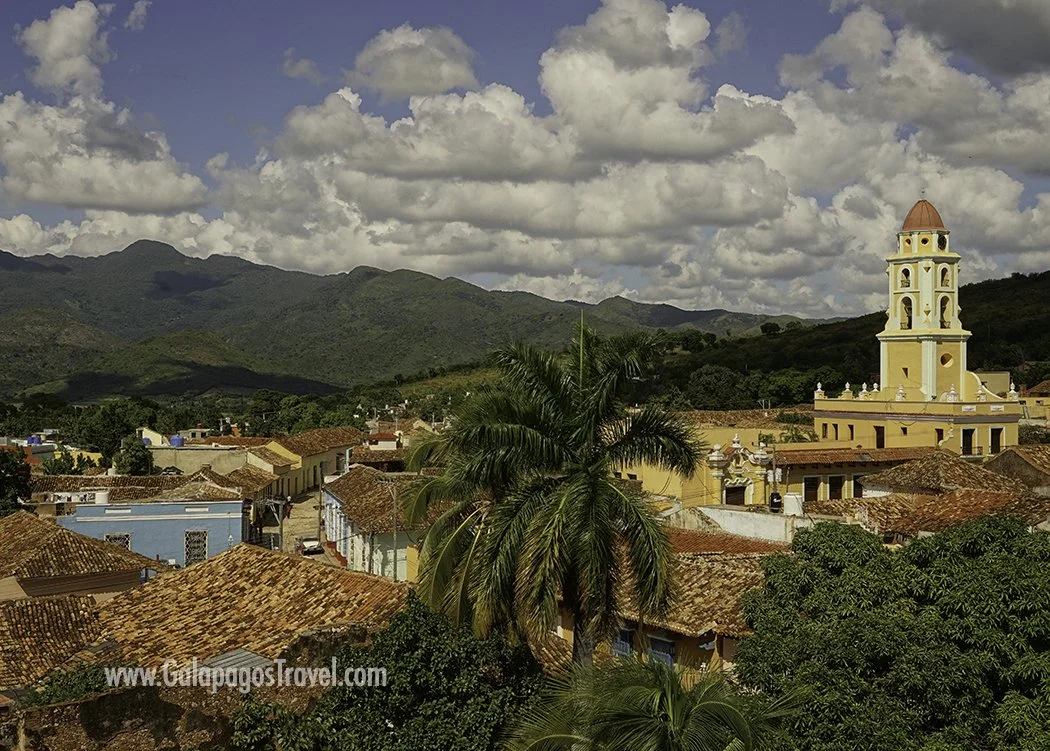
Cuba
The following notes are excerpted from the itineraries and brochures I created for our expeditions to Cuba. I was lucky to join 11 groups from 2011-2018.
I am told that I was smiling like the proverbial Cheshire Cat on my first visit as our charter flight came in for a landing in Havana - I just couldn't believe I was actually there. Cuba had been “off limits” to Americans my entire life (the “triumph of the revolution” occurred just 4 weeks before I was born). Cuba is the largest island in the Caribbean, and a mere 90 miles south of Key West, Florida, yet it is a world away.
This is a pivotal point in time for Cubans: for the first time in more than 50 years, Cubans are allowed to buy and sell houses and cars. Farmers may now sell crops after meeting government quotas. More individuals are finding ways to earn an income outside of the government, including small restaurants and shops. These might seem like baby steps to us, but they are huge to Cubans.
Standard American tourism remains illegal, although there are special U.S. government measures in place allowing some travel. Our programs operated with one of two special legal authorizations: People to People, or Humanitarian Aid (the former when the U.S. had a democratic president, and the latter when republican. In either case we had all participants bring roughly 10 pounds of over-the-counter medical supplies each which we donated to local charities in country.
Whether you’re a nature lover, photographer, history buff, or adventurer, Cuba amazes!. The cities and towns feature elaborate (decadent) architecture from colonization through the opulent 1950’s. A shining example of Cuban ingenuity, literally, is the remarkable number of old American cars proudly in use today. Outside the cities transportation still is often by horse cart. The island is remarkably green. The people of Cuba are genuinely welcoming and friendly; presenting the opportunity for candid conversations. They may not be fond of our government, or theirs, but that doesn’t color their feelings about us individually. We’ll hear local experts present insightful seminars on a variety of subjects allowing us to feel more connected to Cuba today. We visit six remarkable UNESCO sites (four World Heritage Sites, plus two Biosphere Reserves) illustrating how Cuba honors her history as well as her wild places. Food is fresh and healthy. While most meals are included in the program there are also opportunities to strike out on your own on occasion. Music is everywhere, whether spilling from windows and doorways, impromptu dances in the street, or intimate performances. We tour museums, markets and artists’ studios broadening the depth of our experience.
Cuba is also a chance to experience one of the world’s last “Socialist” states. Nicknamed the “Gem of the Caribbean” the island is trapped in time while hanging on the very brink of change. Now is your opportunity to still see Cuba before that change takes place!
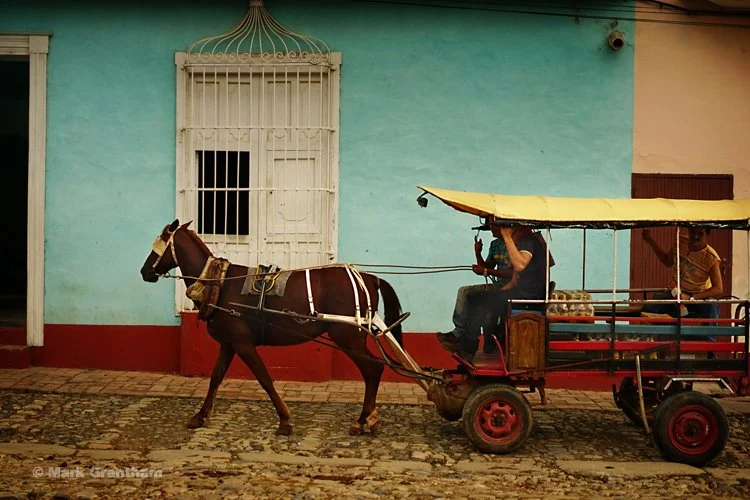
morning deliveries in Trinidad
Those legal visitation options were traditionally only good for a short stay of maybe a week. Each year I asked for longer and my the last couple of years we were able to be in Cuba for closer to 2 weeks, and see so much more of the country.
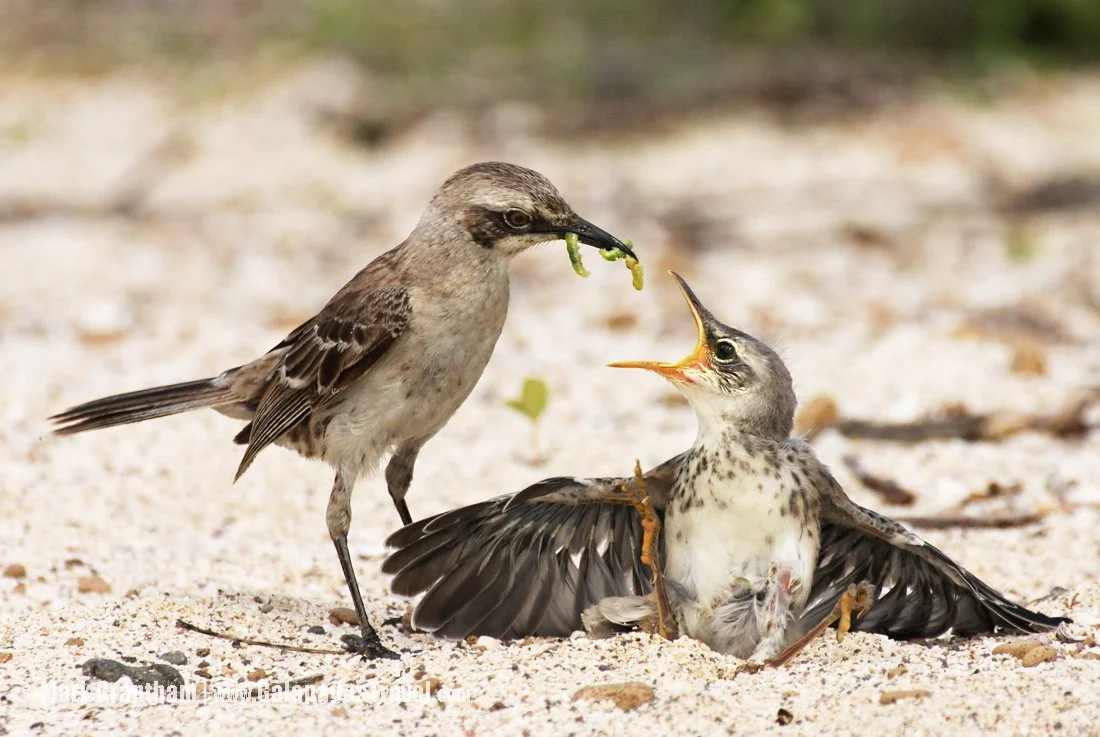
Chatham Mockingbird (endemic)
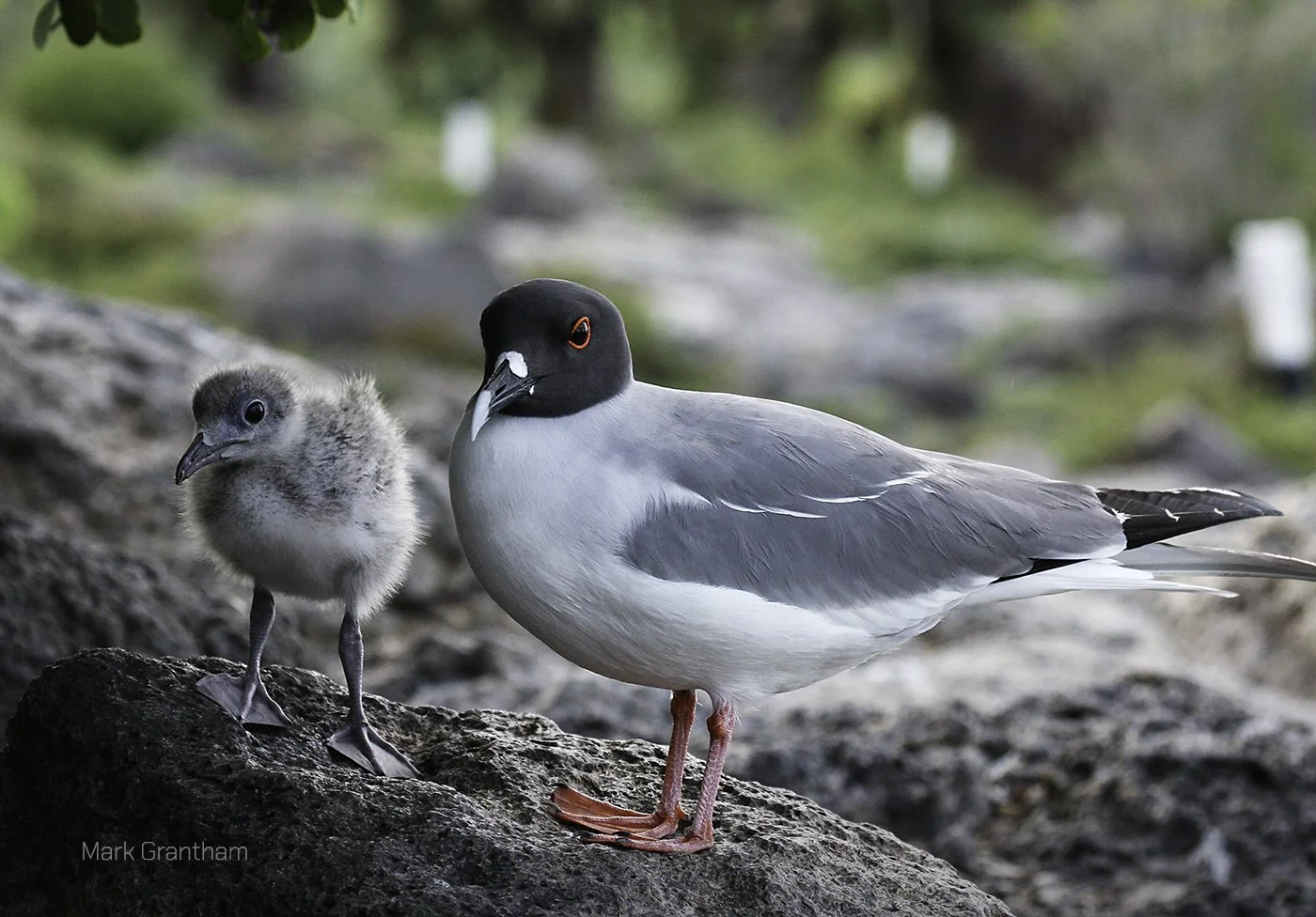
Swallowtail gulls (endemic)
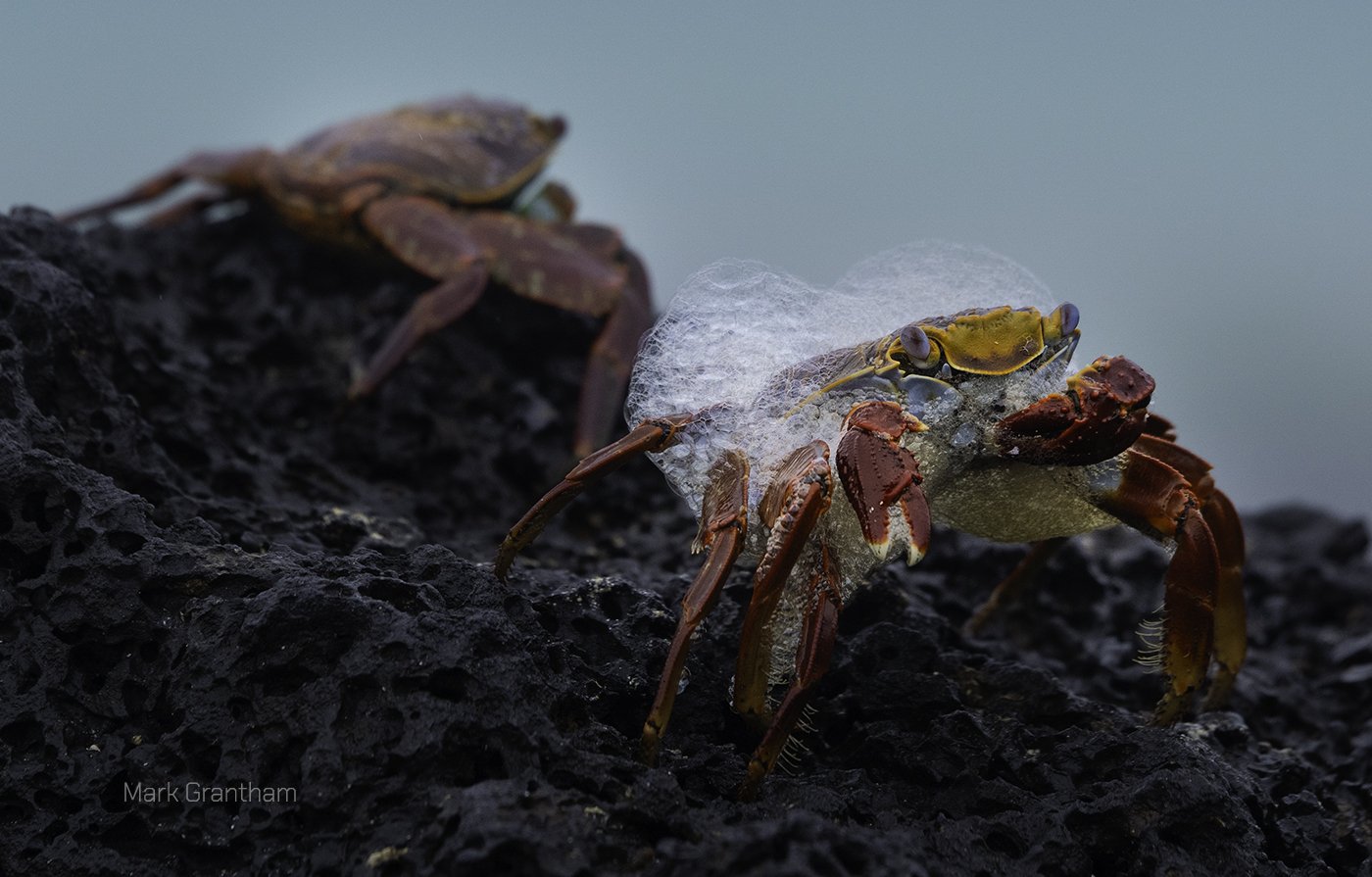
Sally Lightfoot crab preparing to molt (endemic)
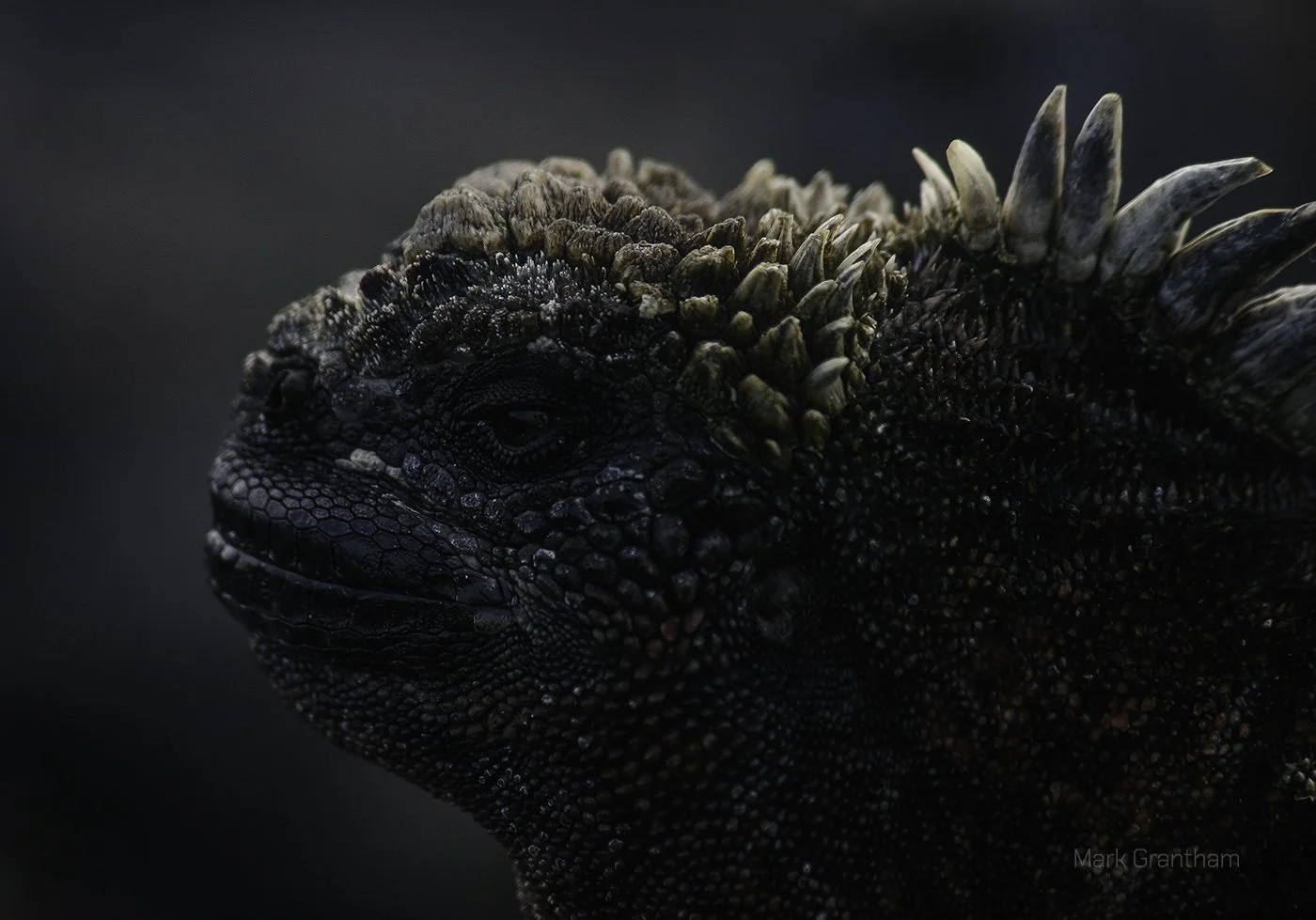
Marine Iguana (endemic)
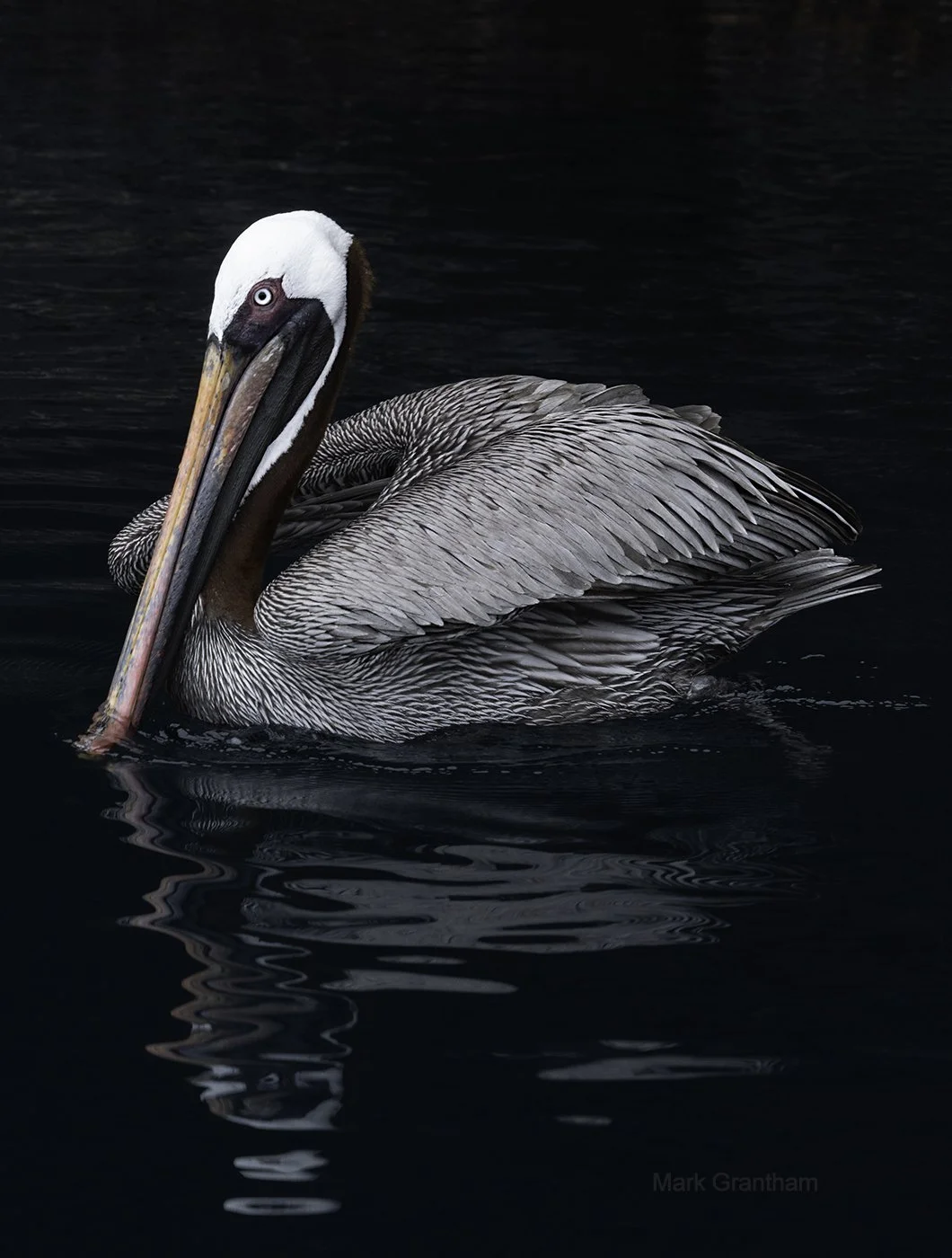
Brown Pelican (male) in breeding plumage
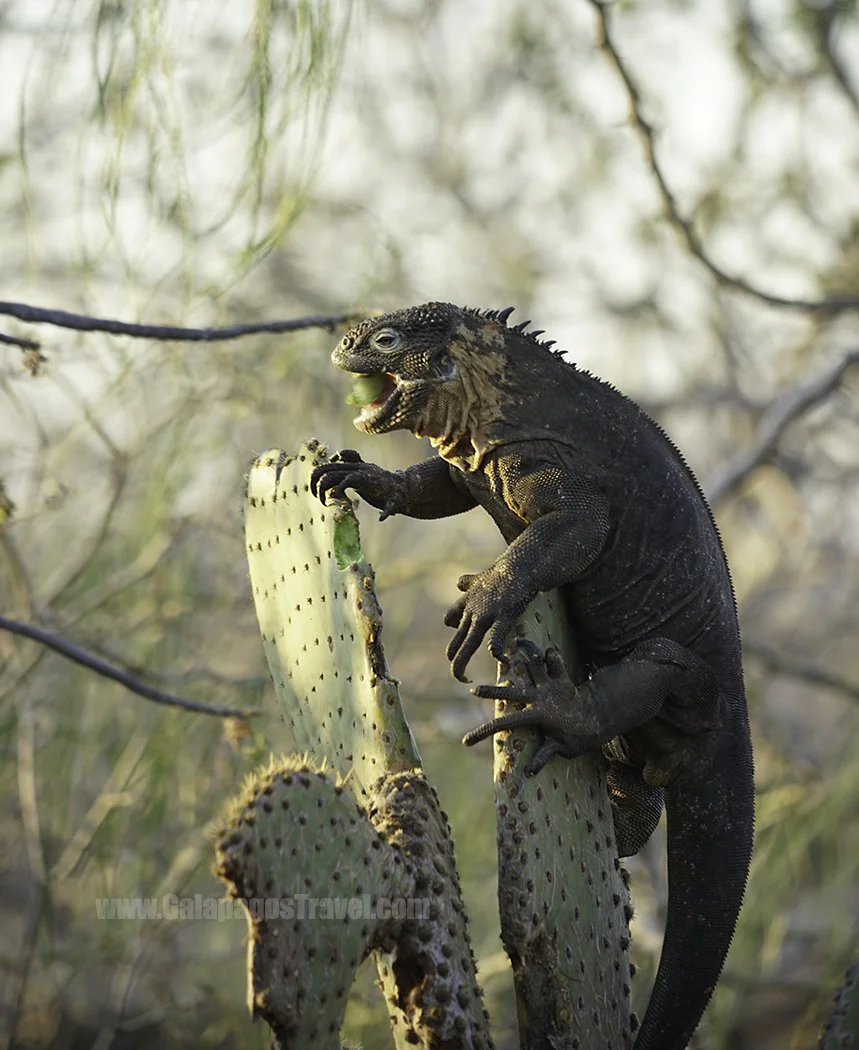
land iguana (endemic)
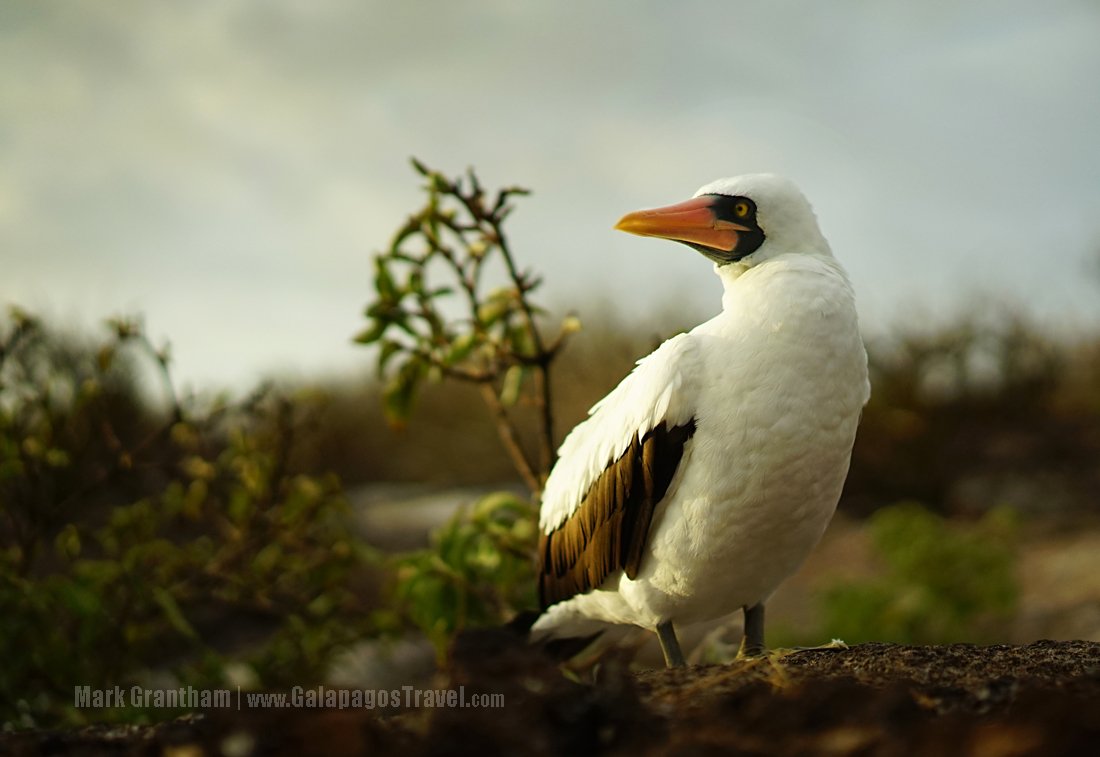
Nazca Boobie
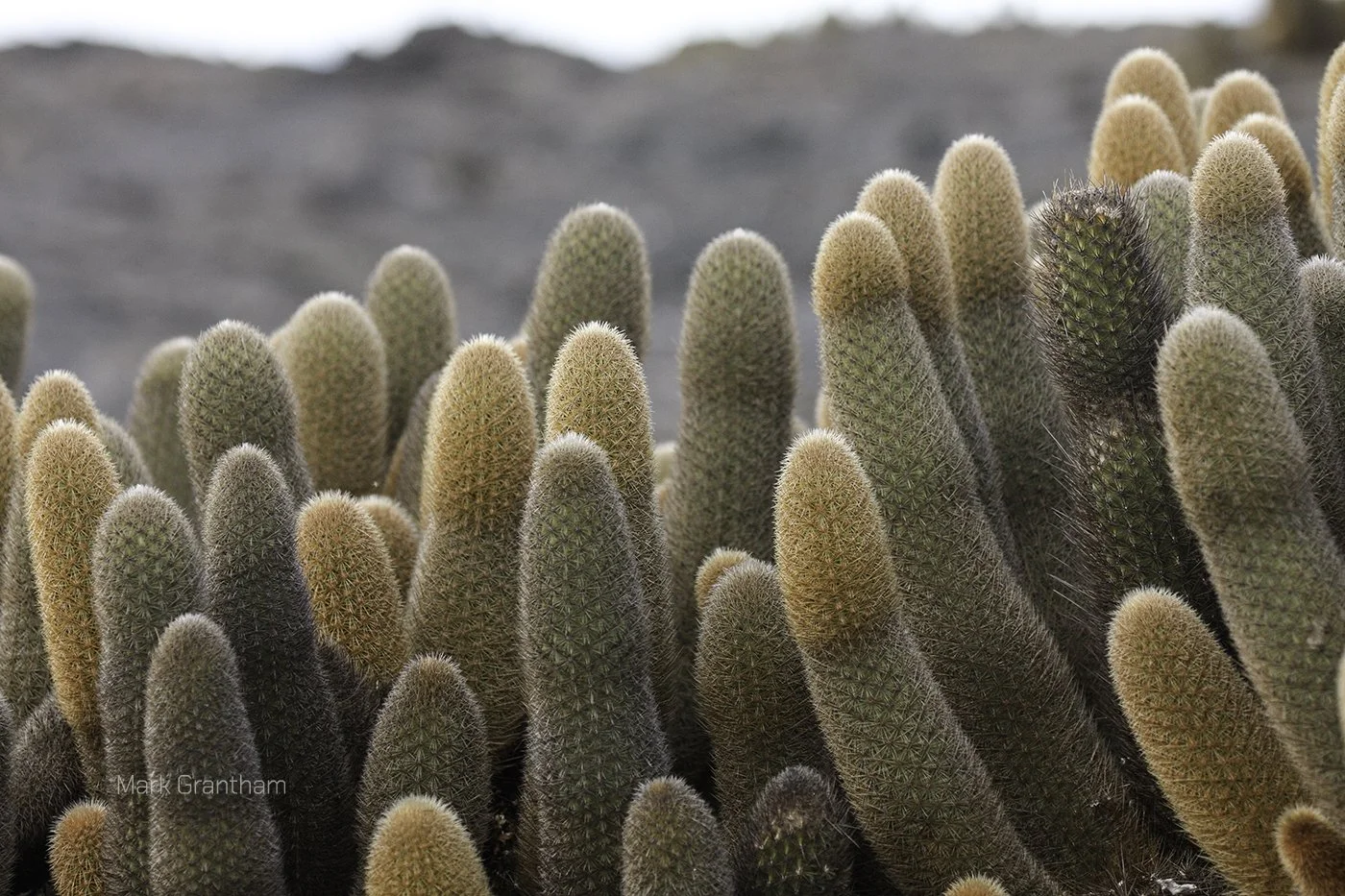
Lava cactus (endemic)
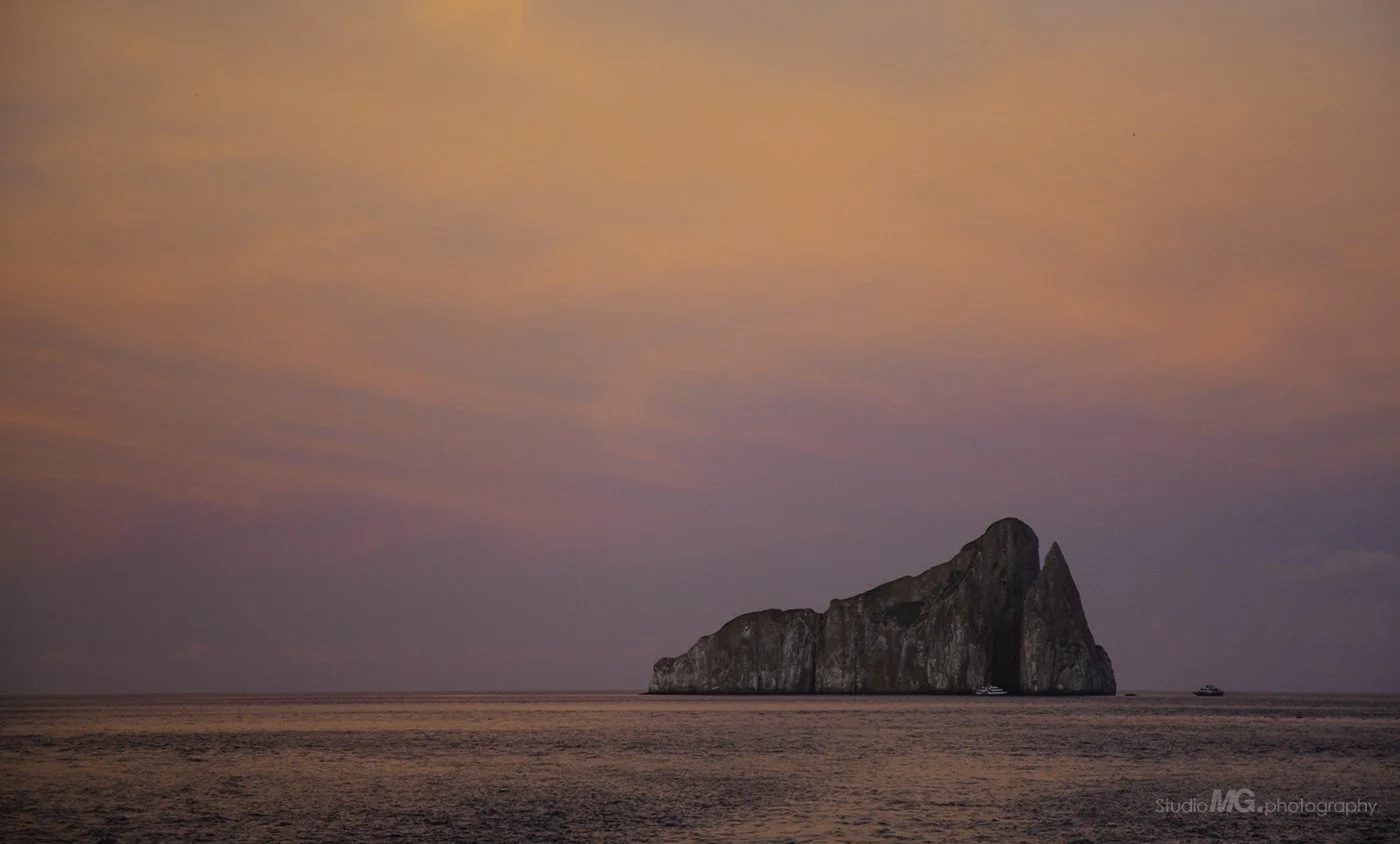
Kicker Rock & yachts at sunset
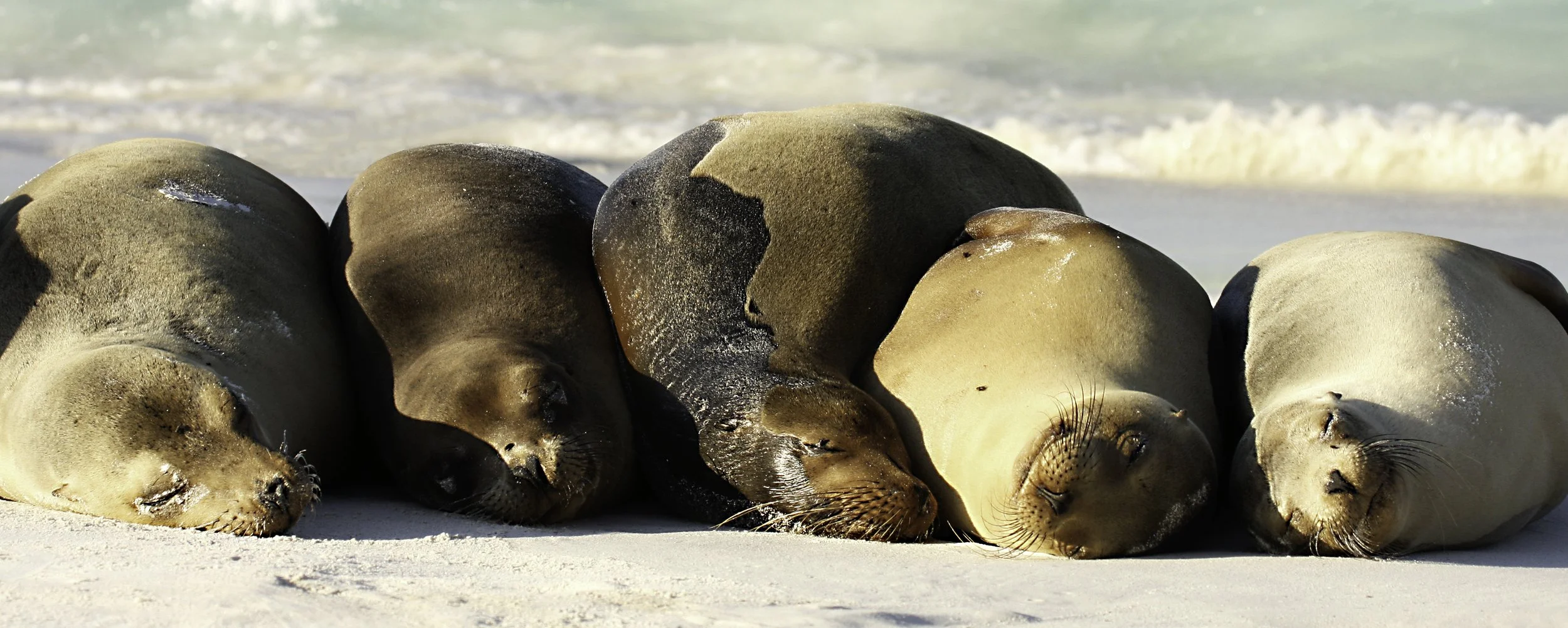
Galapagos Sealions (endemic)
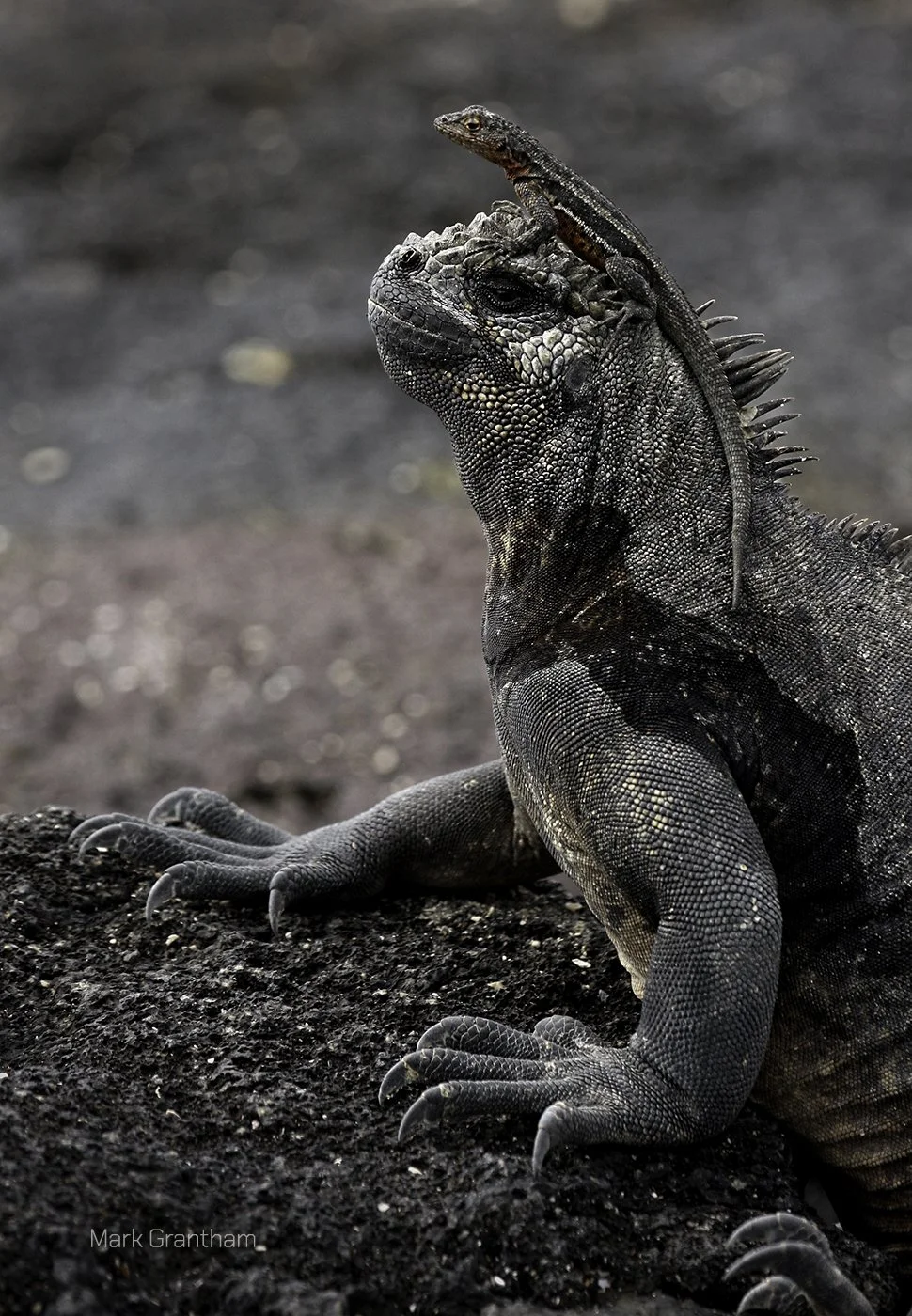
Marine Iguana & Lava Lizard (both endemic)
The underwater world in Galapagos is every bit as amazing (I just don’t carry a camera when I’m snorkeling). Several of my stand-out memories from Galapagos have been in the water though… there was the time a young sea lion pup hopped on my back and rode around like I was his personal surfboard… or the time we saw a group of 4 Orcas swimming in a straight like that was going to intersect with the yacht - with no time to plan (or think rationally) 4 of us grabbed our snorkel masks and jumped in the water fully clothed so we could see them up swim by directly below us! Or watching marine iguanas feed underwater, or flightless cormorants “fly” by underwater, or Galapagos penguins…
text and photography by Mark Grantham