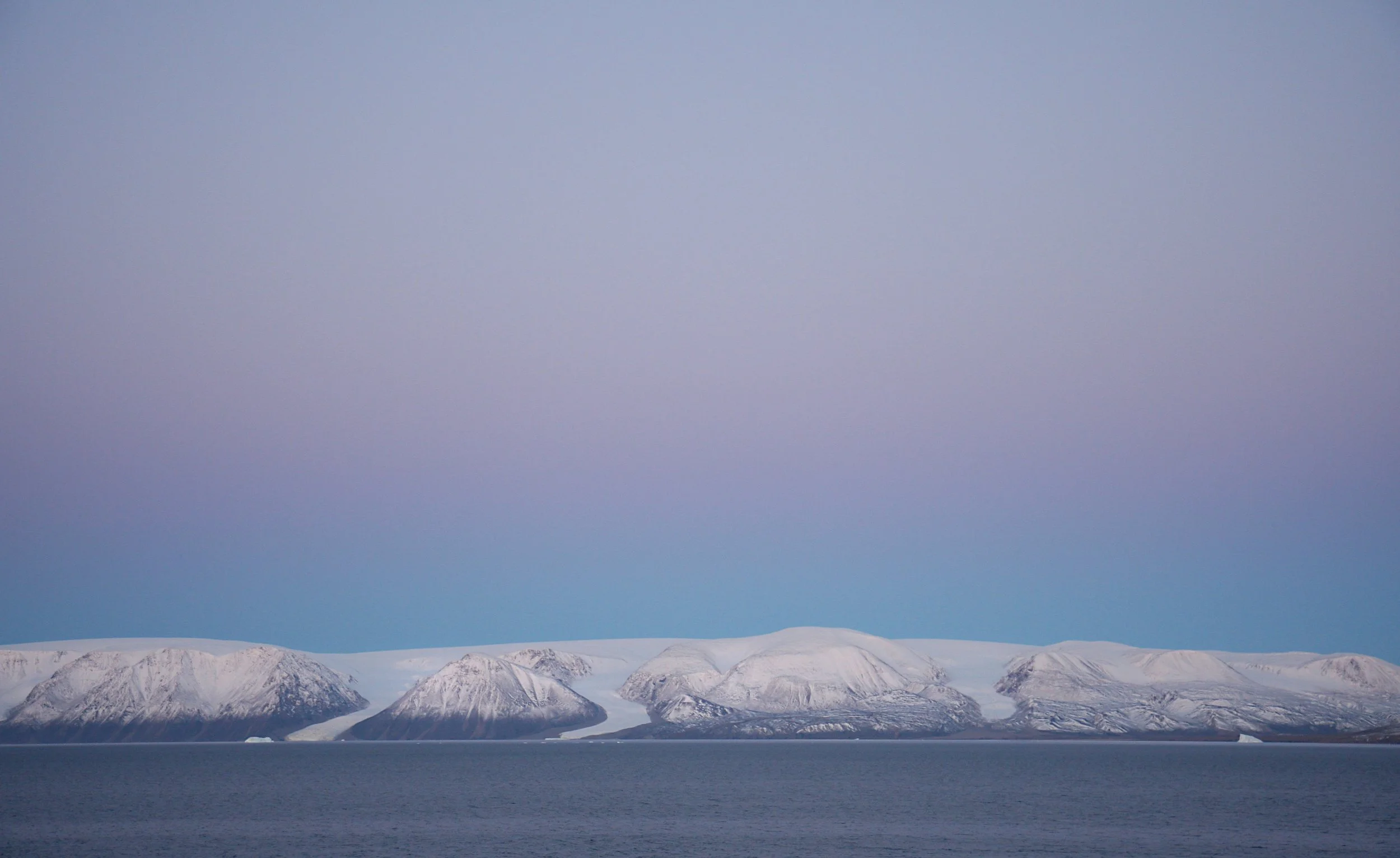
Greenland and the Northwest Passage
August 2012
Belugas & Bears; the cycle of life in the far north, by Mark Grantham
This article appeared in the ITN travel magazine in late 2012
When traveling the Northwest Passage your voyage has a starting point, and an ending point, but what happens in between is open to chance. The ice, weather, wind and ship’s capabilities will all have a hand in the outcome. The captain and expedition leader have the daunting task of picking a course that will encompass the best historical sites and wildlife hot spots based on where we are each day.
I don’t think Coningham Bay was part of our original plan. We’d had a day of grey, windy and wet weather in the Canadian High Arctic which caused us to bypass Prince Leopold Island. We “banked” the time planned for there and turned the ship south in search of better weather and other adventures. We arrived at Coningham Bay just before dinner. In the distance, under a clearing sky, both belugas and Polar Bears were sighted from the bridge! We rushed through dinner with the promise of an “evening” zodiac cruise afterwards. At these latitudes sunset wouldn’t be until around midnight, so we should have plenty of time.
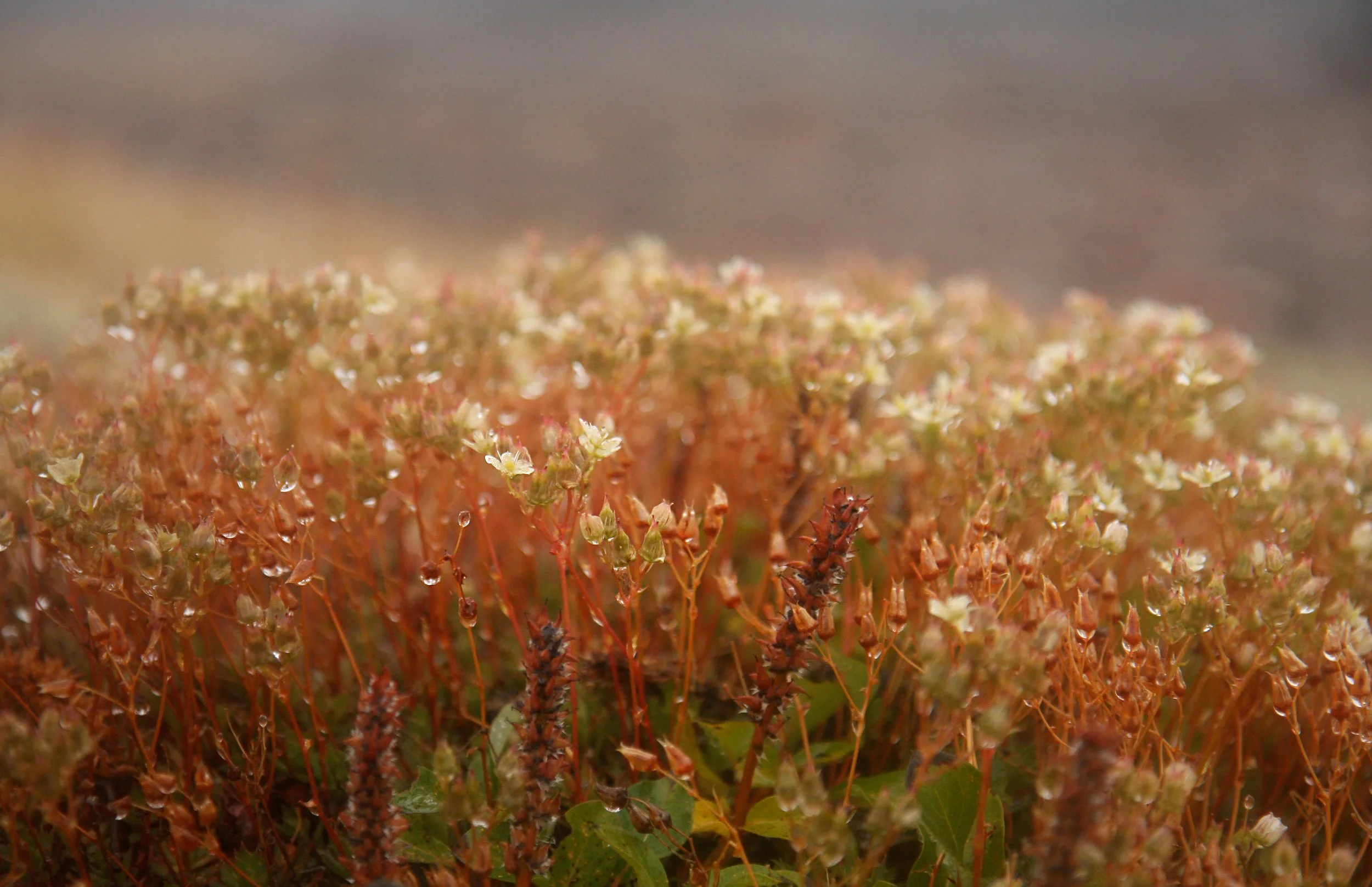
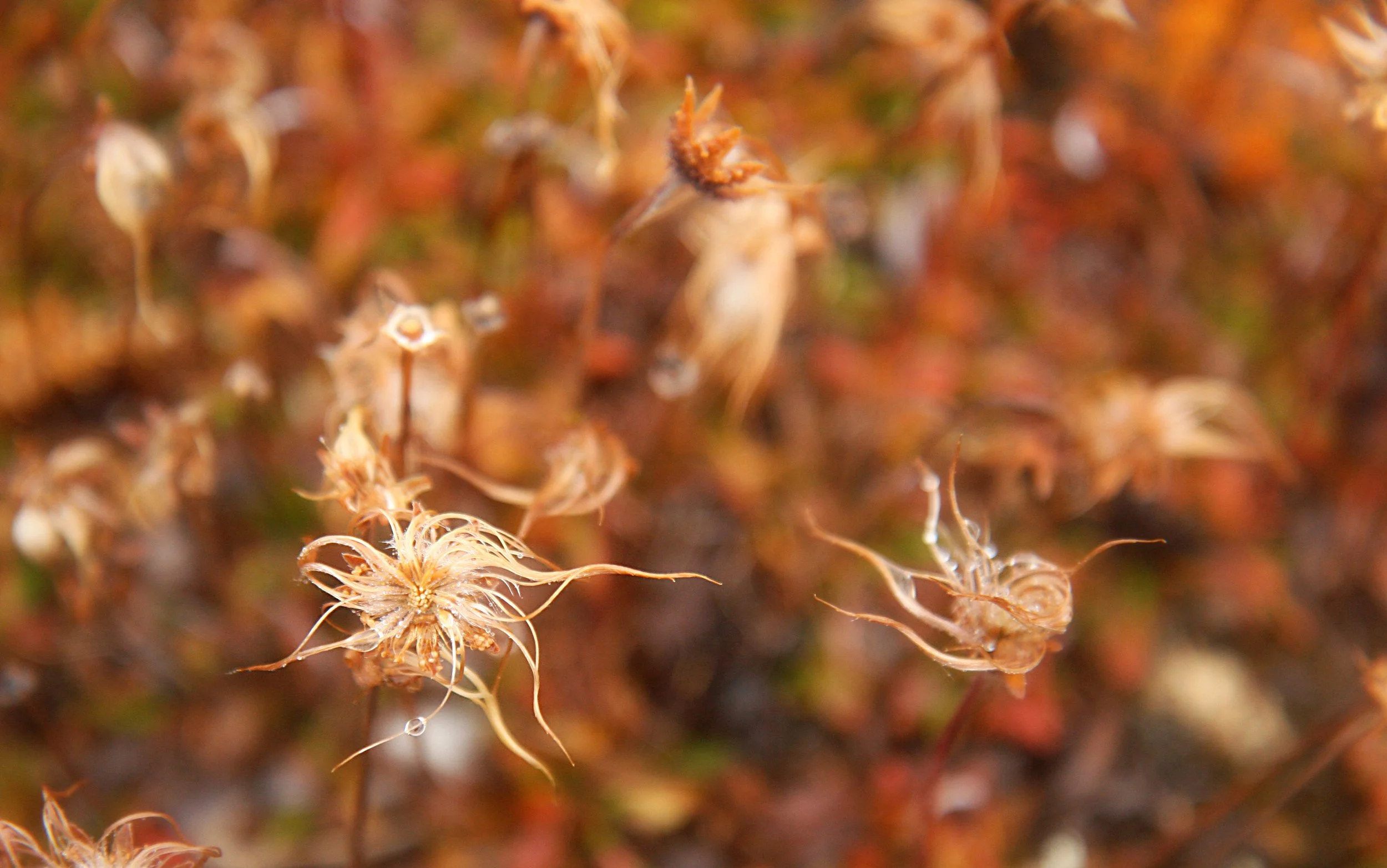
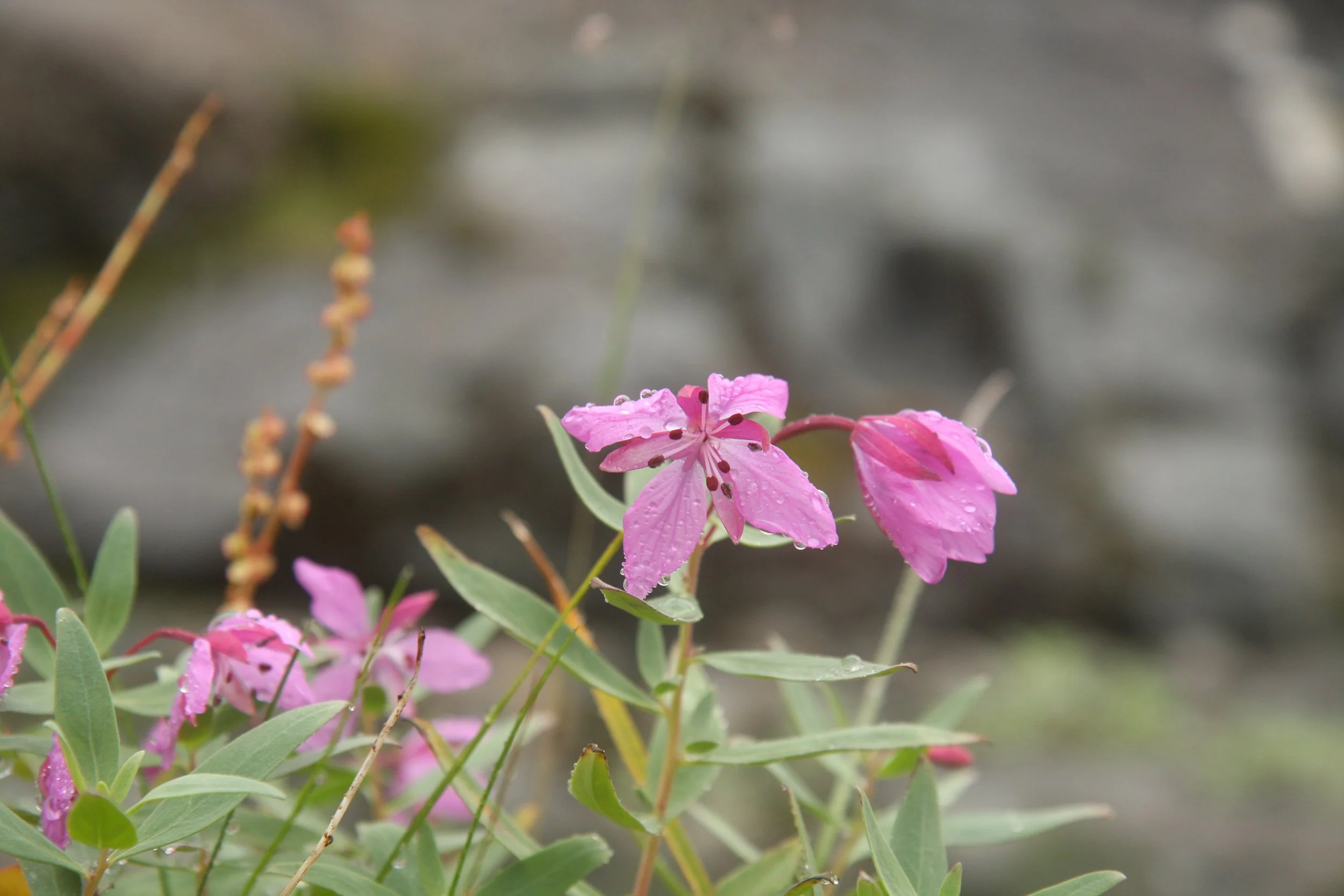
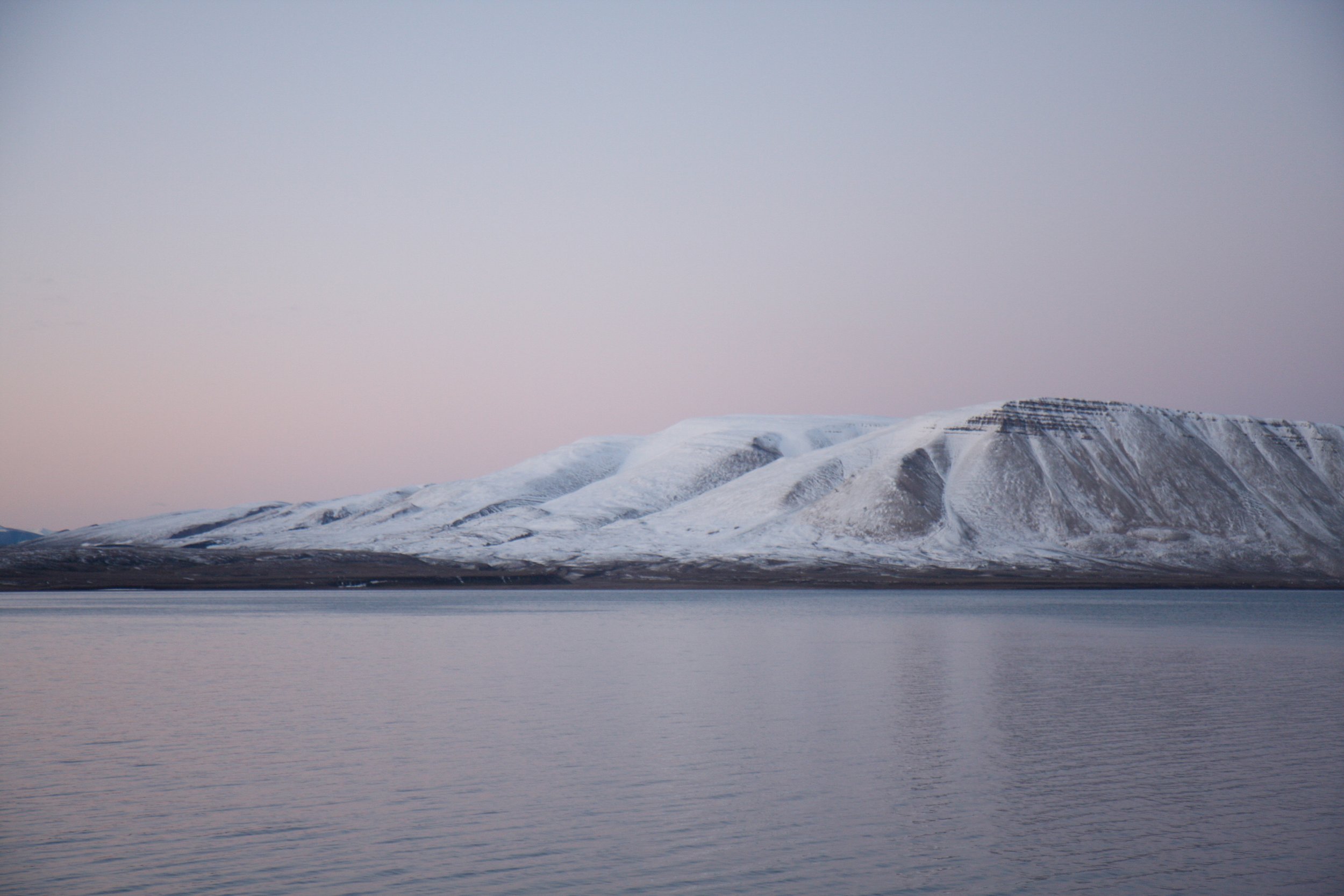
Much of the Canadian High Arctic is comprised of low seemingly barren rocky tundra gently sloping to the sea. This late in the year the colors are predominantly brown, with occasional small patches of color where the flora, none of it more than a few inches tall, is taking on the yellows and oranges and reds of fall. This is the scene which shelters Coningham Bay – a shallow broad bay with a shoal or sandbar extending across much of the entrance, protecting the waters inside. The few small dots of white in the distance stand out, and are almost assuredly Polar Bears – the king of the Arctic.
Almost as soon as we’re in the zodiacs we see belugas in the water ahead. The soft white color of the adults, and mottled grey of the young, make them fairly easy to see (although, like the other two species of Arctic whale, they don’t have a dorsal fin). Belugas are very social, often traveling in large pods near the surface. Such is the case now, with maybe 30 to 50 individuals swimming in close formation into the bay. Moving together they create a pressure ridge of displaced water in their path through the shallows.
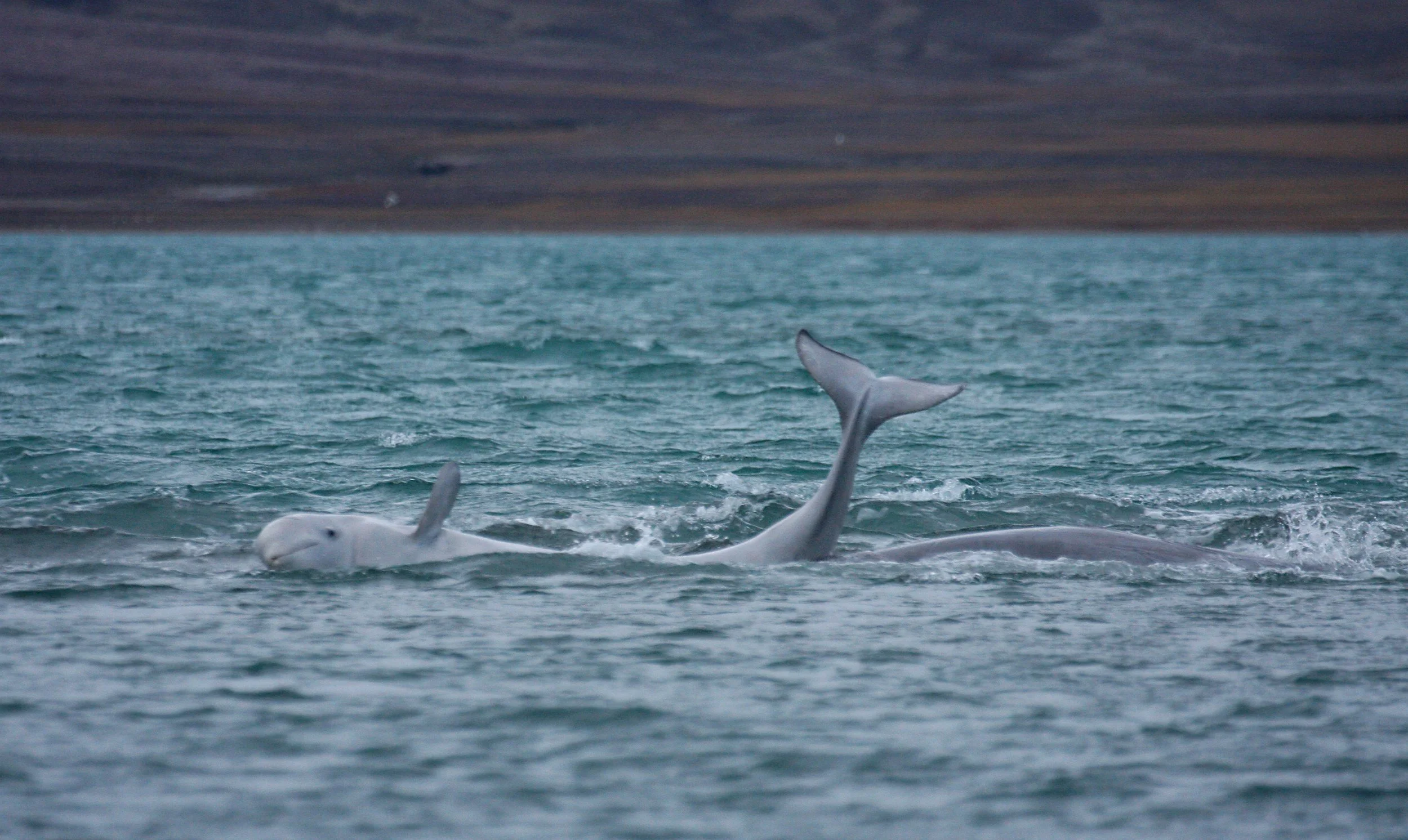
belugas!
By chance we are arriving during a rip tide and the water flowing directly over the bay-mouth shoal is turbulent and fast moving. It is here that the Belugas are coming to rub on the sand, loosening skin as they molt. Small, at less than 15 feet, with flexible necks (a rarity among cetaceans) they are able to swim in water not much deeper than their size. In apparent ecstasy they are rolling and thrashing and generally looking like they are in heaven – tails and heads in the air and flippers flying!
We couldn’t linger over the shoal ourselves for fear of getting stuck, so we continued into the calm bay waters. From the very start we had been seeing occasional Polar Bears in the water, on shore, and wandering the low hills. Polar Bears are typically very solitary, so during the summer months the only time you are likely to see more than one at a time is a mother and cub. Bears also typically hunt from the ice edge, so being here on a quiet bay with no ice in sight is unusual too. Something very special was going on!
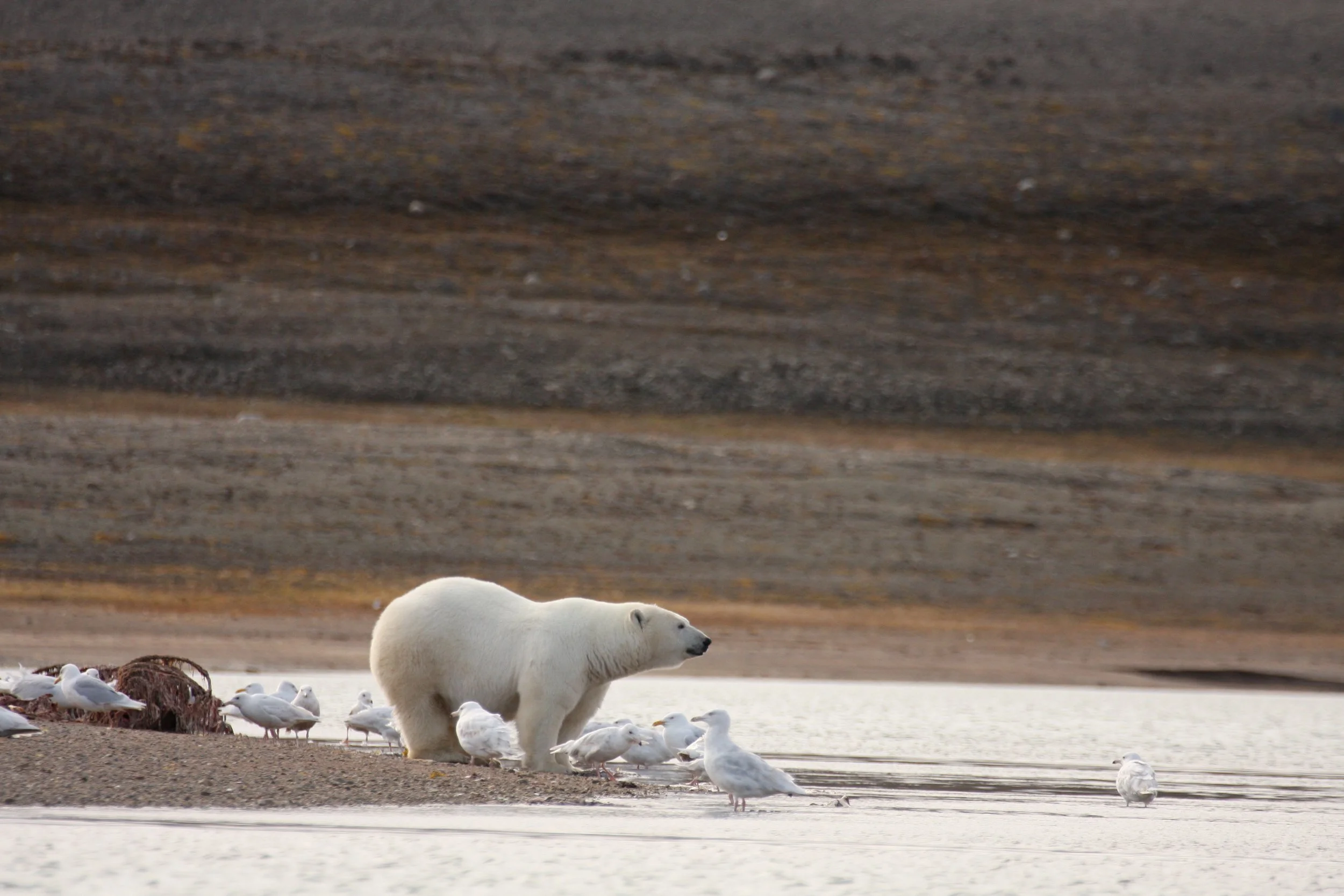
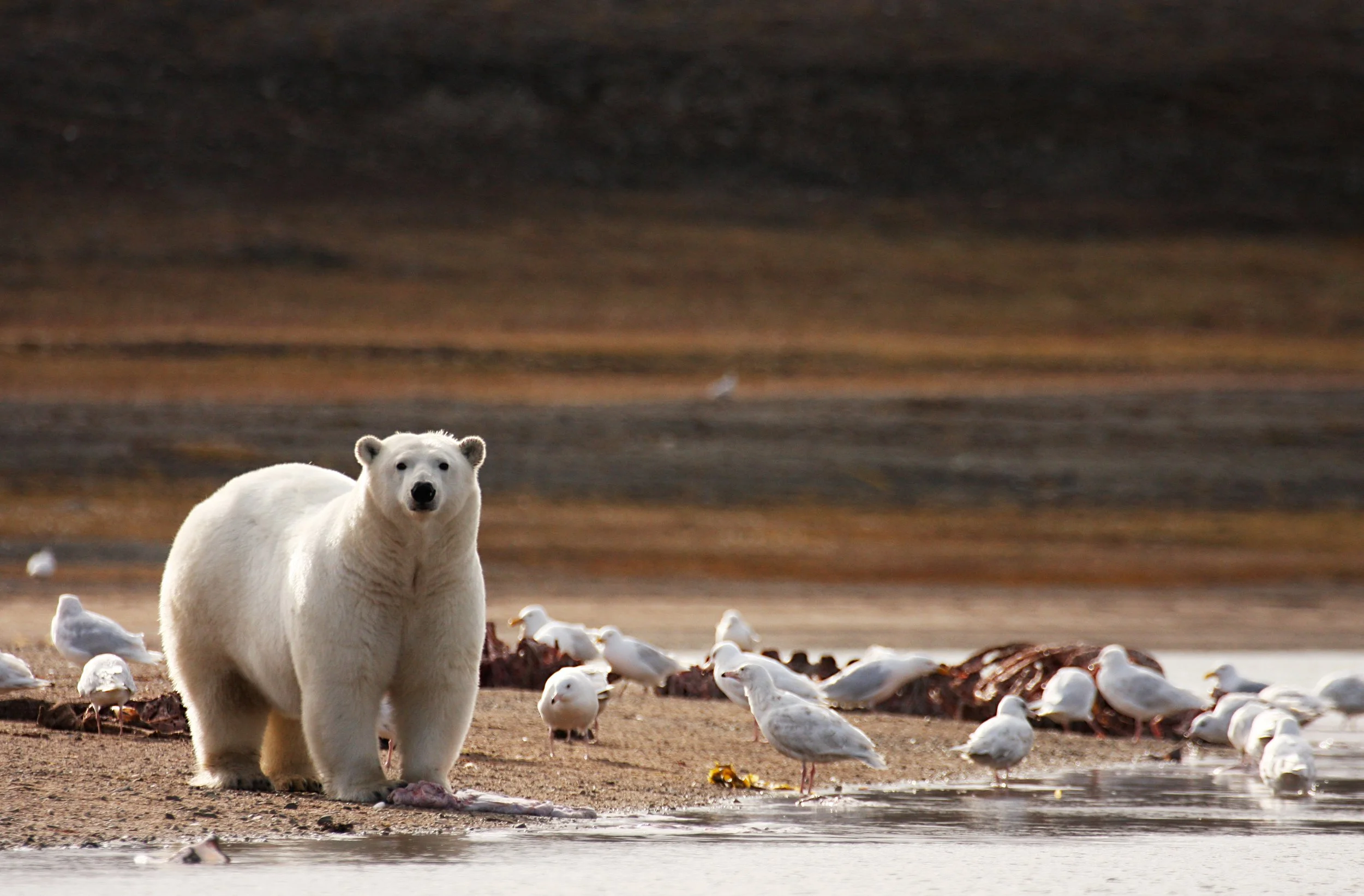
It is the belugas that attract the bears, likely from miles around. Conditions ideal for the belugas to molt are also proving the downfall for some of them. I guess you could say they are “easing pickings” while distracted here in the shallow waters. The shores are littered with countless beluga skeletons; some bleached white from years of exposure, while others are more recent kills with sinew still attached. By the looks of things the belugas and bears have been returning to Coningham Bay for years, repeating this cycle.
It was really impossible to take everything in. With each turn of the zodiac new bears or action would come into view. Most of bears are rather lazily wandering about. None are thin. Glaucous gulls crowd some of the more recent kills, but they too seem satiated.
All too soon – close to 3 hours after we arrive – the chill is setting in and the light is fading. It is time to head back to the comfort of the ship although we’re too amped up to sleep. This won’t be the last we see of the action though – our expedition leader announces that the ship will remain at anchor and we will return in the morning.
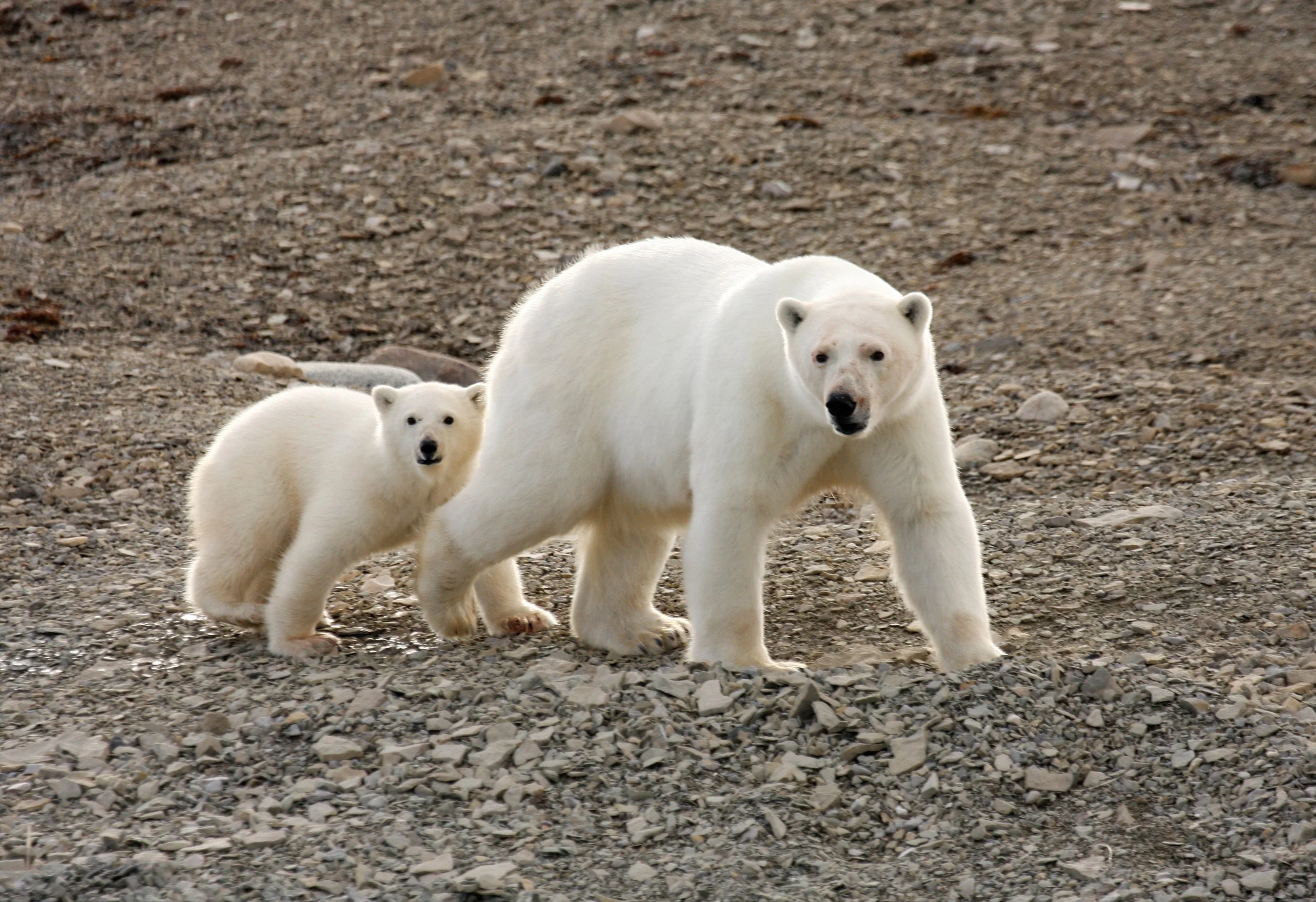
mom & cub
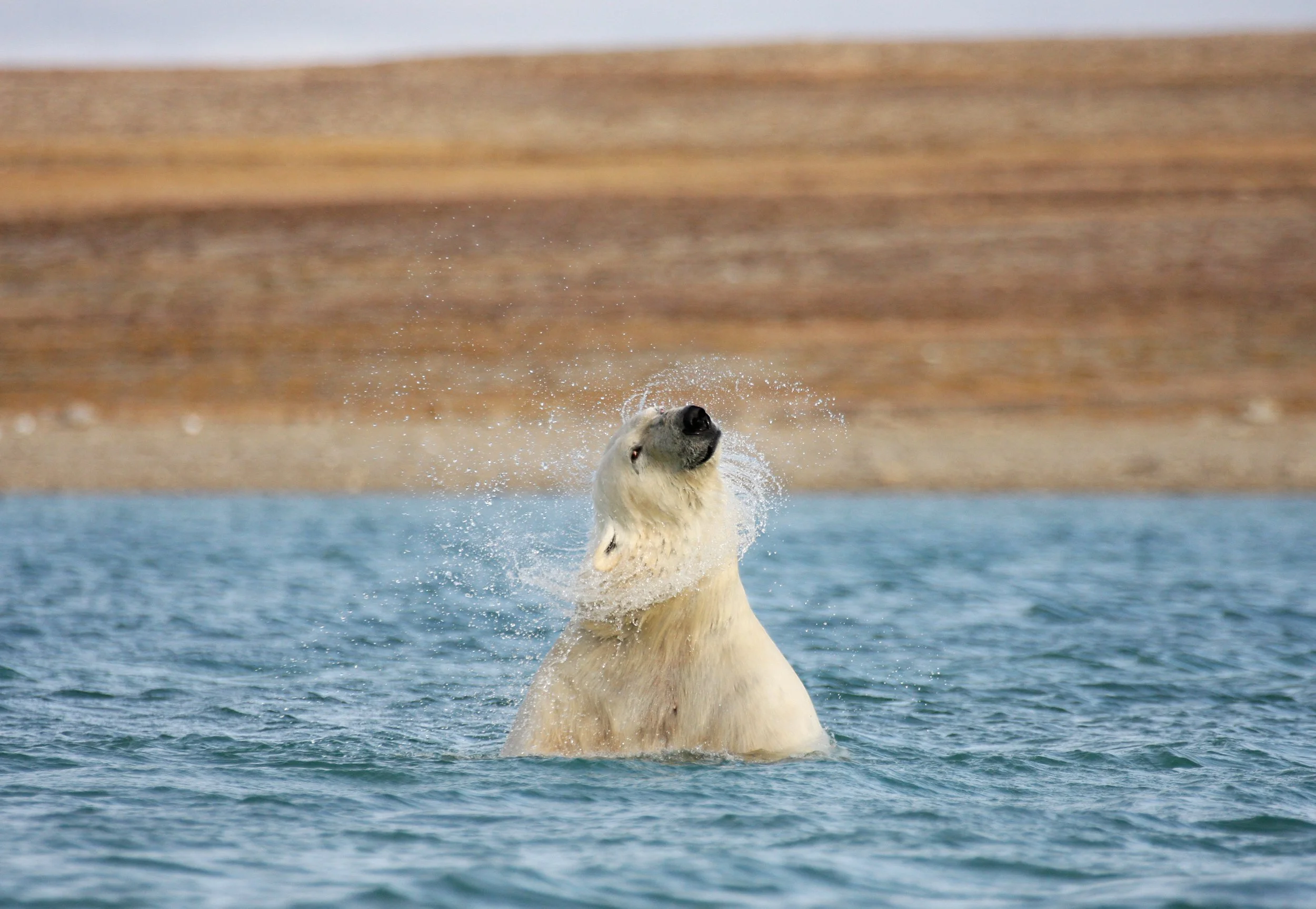
The new day held new adventures with the bears. At one point we enjoyed the somewhat unnerving experience of feeling like we were being hunted by two bears in the water. They could clearly smell us as the wind shifted, and a big male would occasionally stand up and stare at the zodiac, then drop down and swim a bit around trying to get beside us. In another part of the bay a big male kept dipping under the water and coming up, raising his head and shaking the water from his great coat. He’d watch us for a while, then swim a bit more. Along the shore we found a pregnant female sniffing at the water’s edge, where she hooked a piece of floating blubber with a claw, gave it a sniff, and dropped it back. It looked like it was mostly curiosity driving her since she wasn’t eating anything. A similar scene was played out by a mother and her cub, although they had a quick game of tug-of-war with a bit of meat before discarding it.
I don’t know how many bears we saw in total. It was 14 the first night I think, but there were more in the morning – closer to 20 I’d guess. This really felt like the chance of a lifetime seeing so many well fed Polar Bears, getting along in close proximity, in the wild. Thank heavens for bad weather earlier in our voyage that led us to discover this remote bay during our journey!
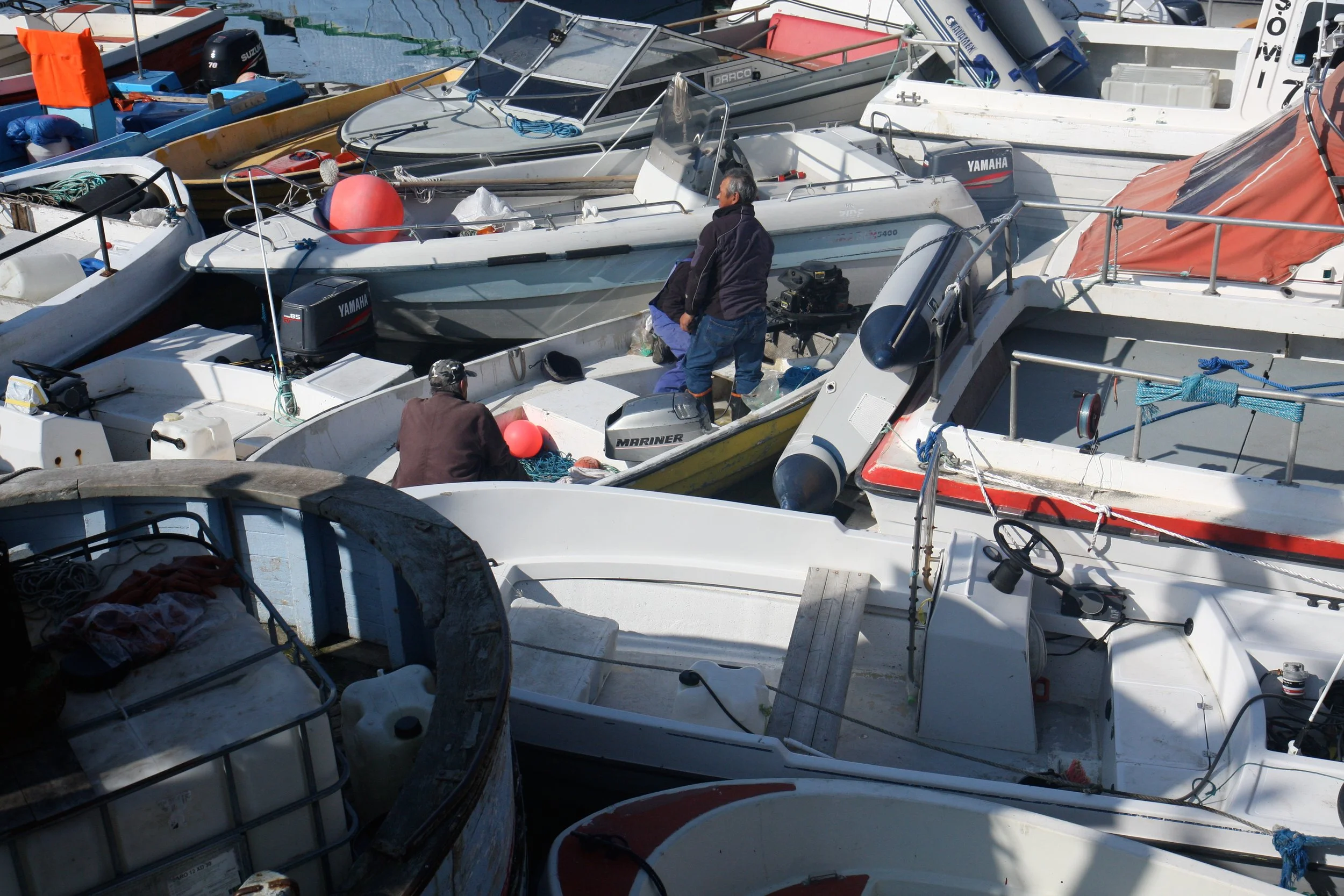
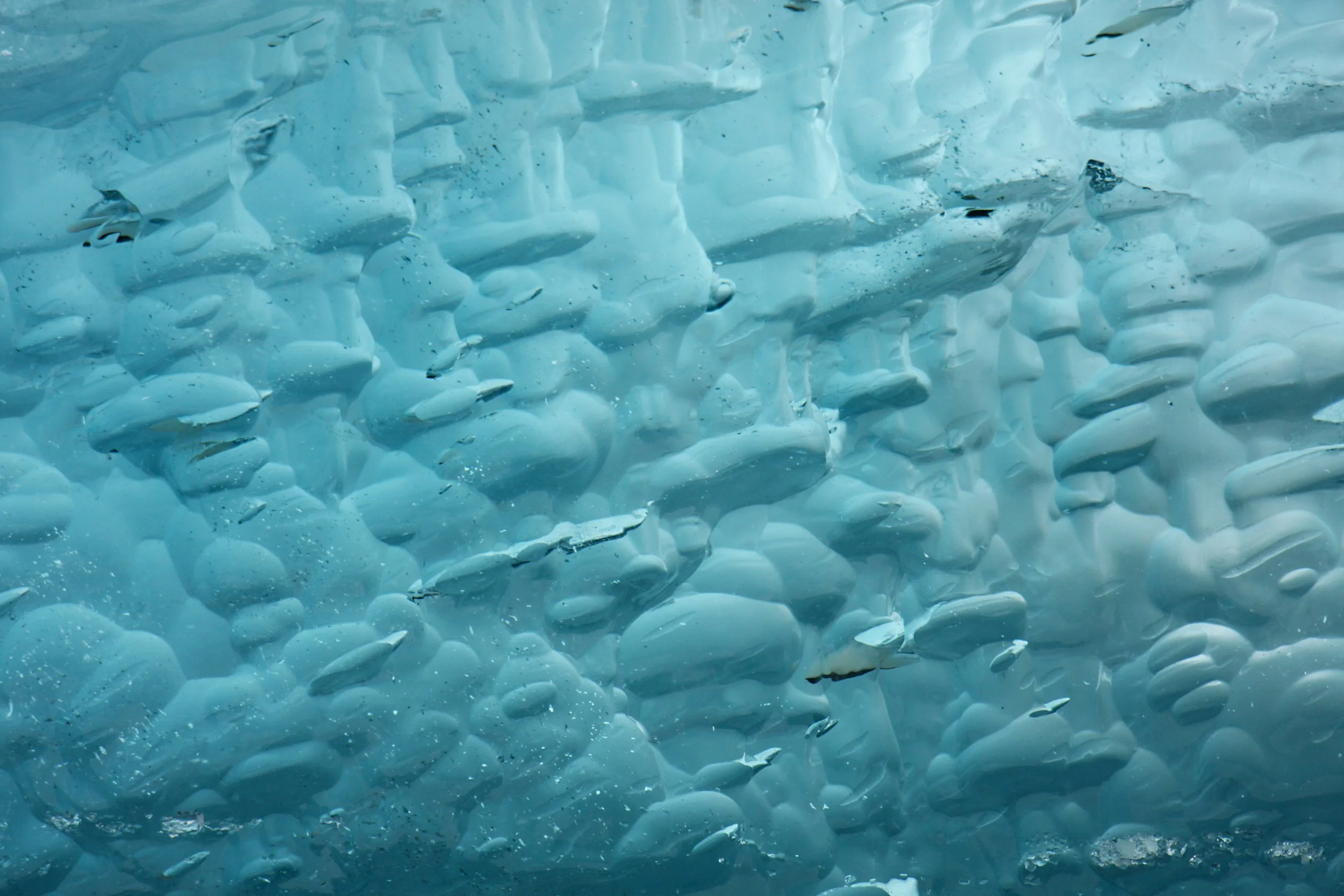
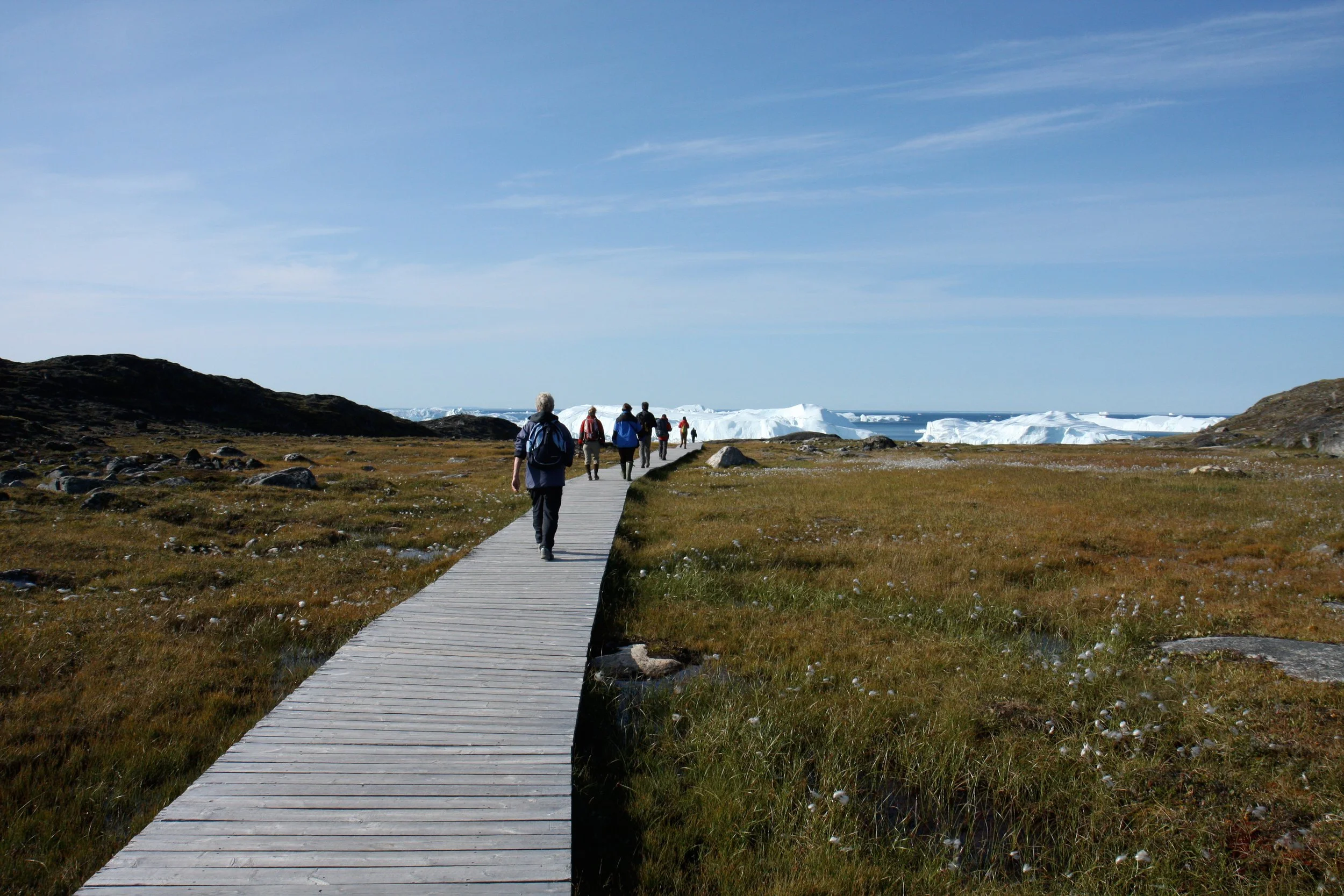
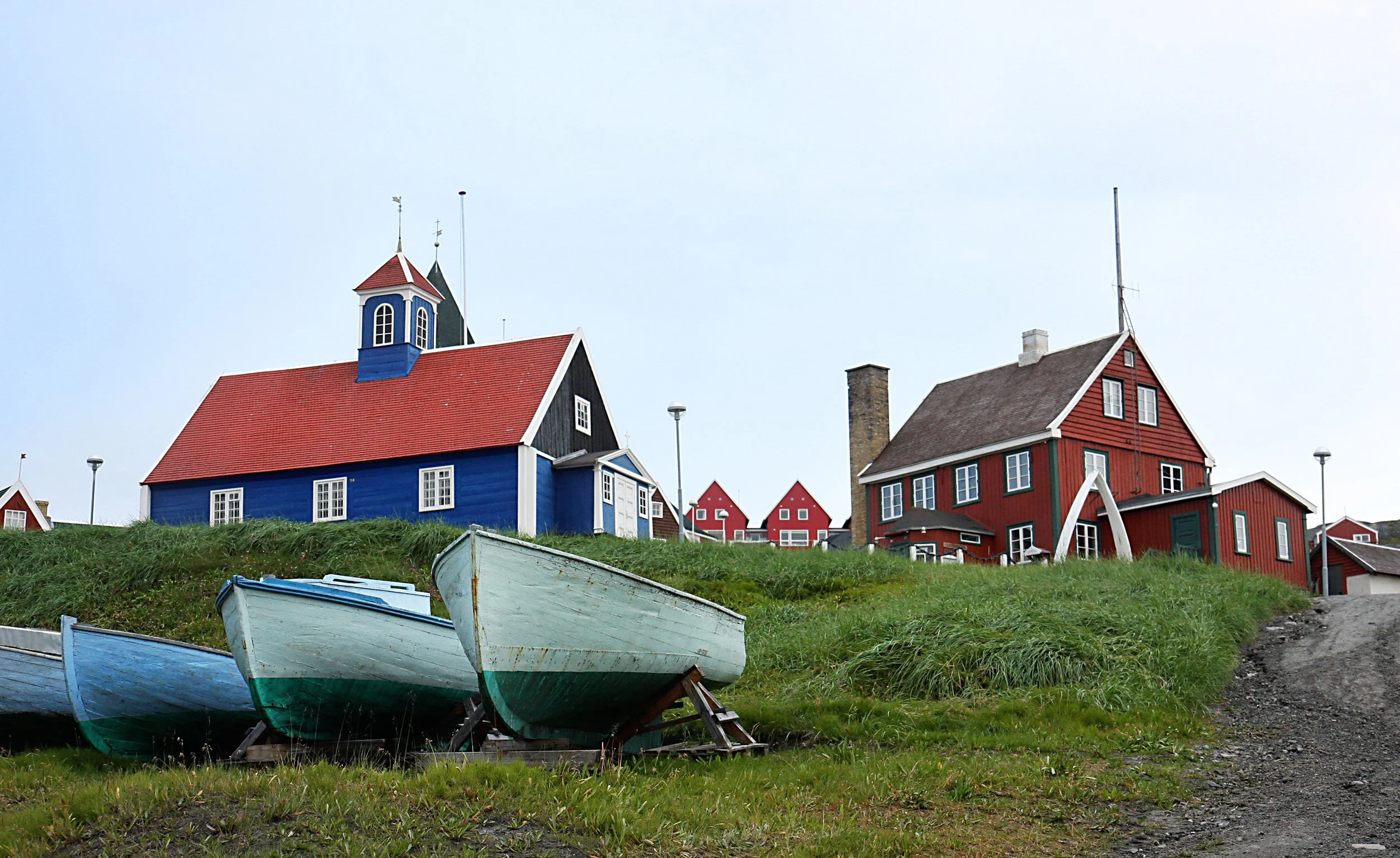
Coningham Bay was just one stop during a 15 day expedition to Western Greenland and the Northwest Passage with One Ocean Expeditions. We traveled on board their expedition ship, Akademik Ioffe, from August 12-26, 2012. We boarded the ship in Kangerlussauq, in Western Greenland on a sunny afternoon. After 3 days exploring the quaint and colorful coastal villages, rugged fjords, ice-choked bays, and lush low Arctic tundra in this part of Greenland the ship turned east across Baffin Bay. Next up was the Canadian High Arctic and the Northwest Passage.
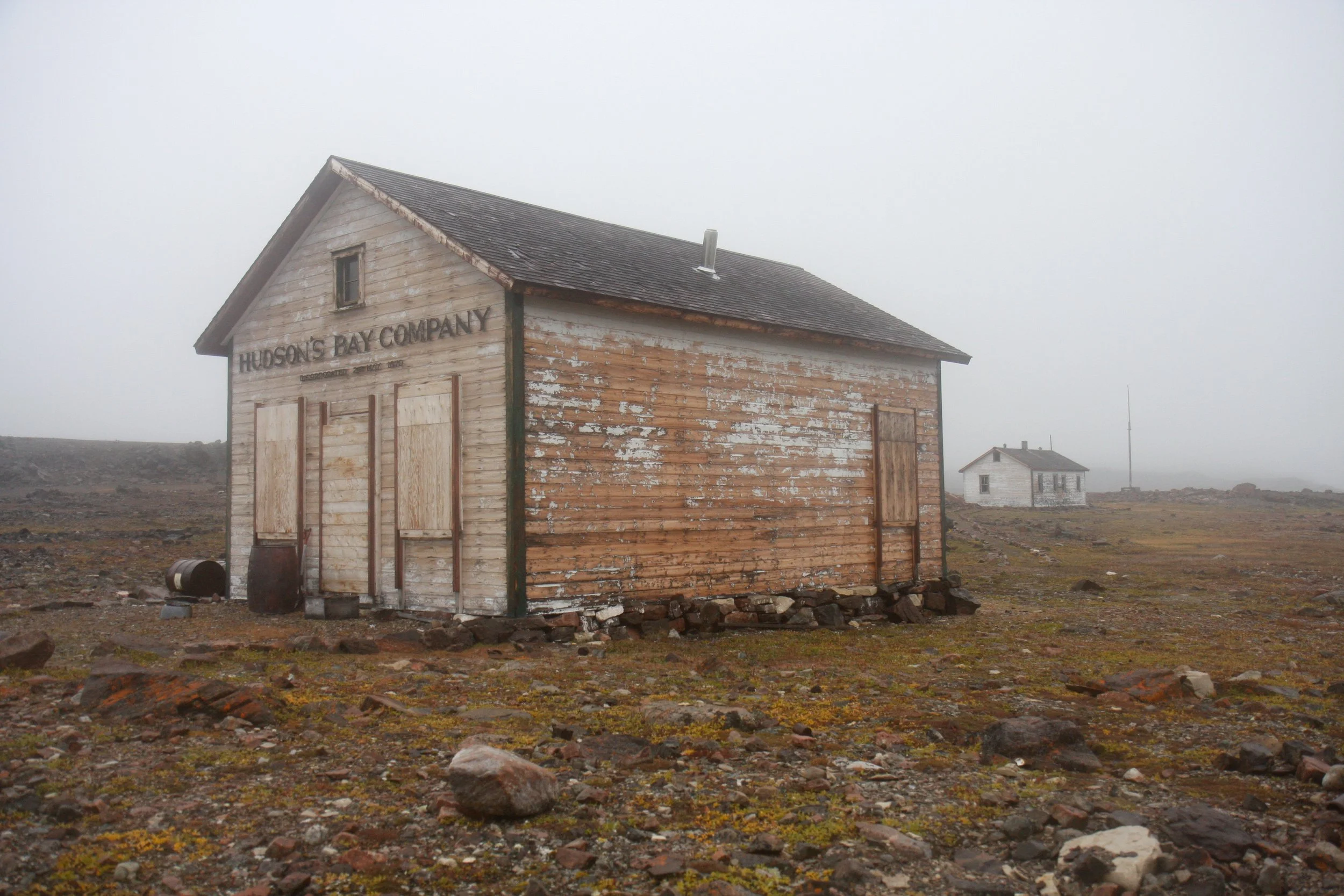
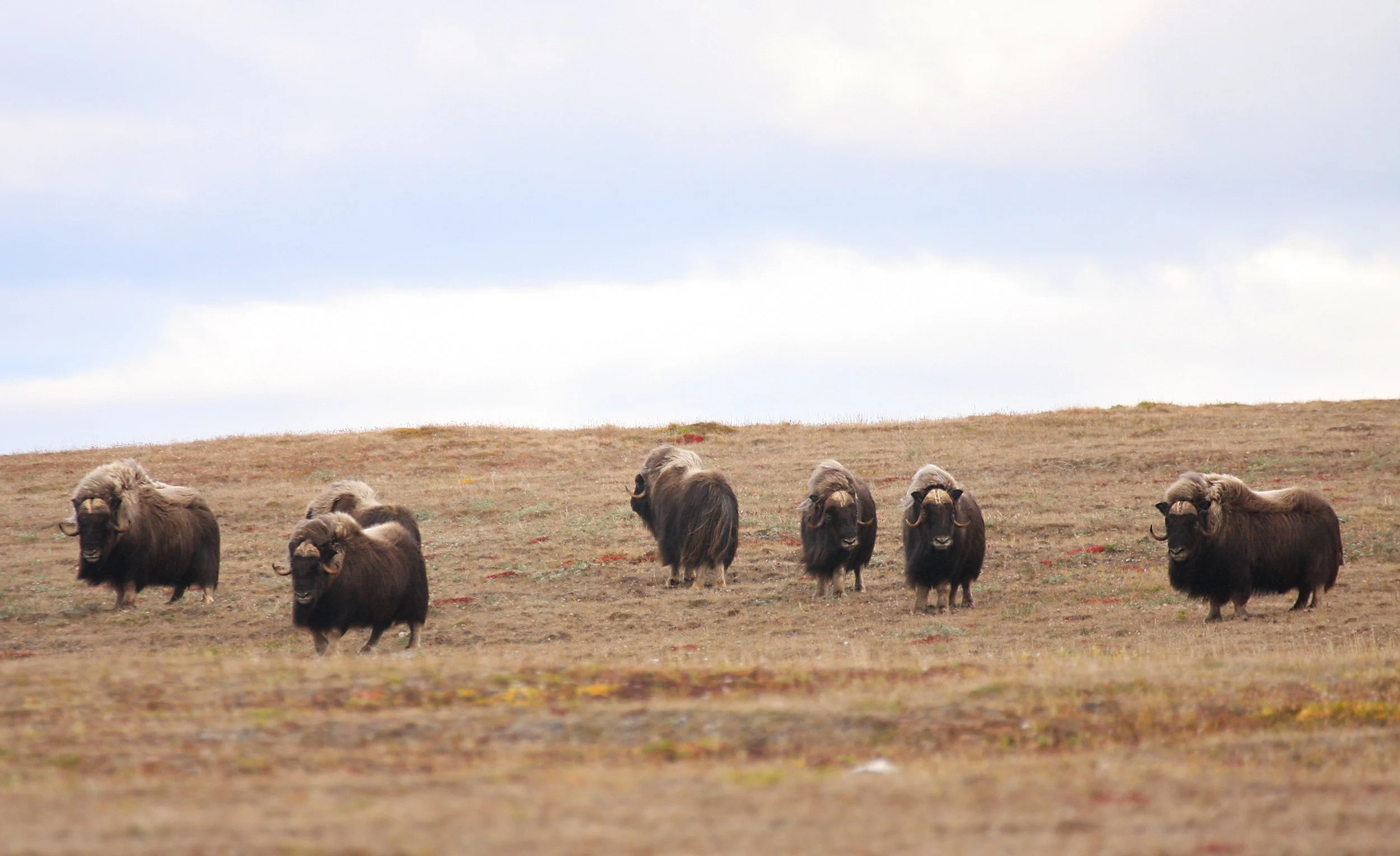
The Canadian High Arctic is better known for its rich and storied history of exploration as well as the First Nation cultures, rather than the wildlife. The wildlife experiences we did have were however outstanding. In addition to the bears and belugas on Coningham Bay we had an amazing time following a herd of Musk Ox one day, while we zodiaced along bird cliffs another day. Both Walrus and Perry’s Caribou were spotted in the distance from the ship. Even the most serious birders on the expedition were able to add some new life birds. All too soon we reached Kugluktuk, Nunavut, Canada where we disembarked with memories to last a lifetime.
For 2013 One Ocean Expeditions has shortened this routing to 13 days. I was a guest of One Ocean Expeditions on the voyage this year.
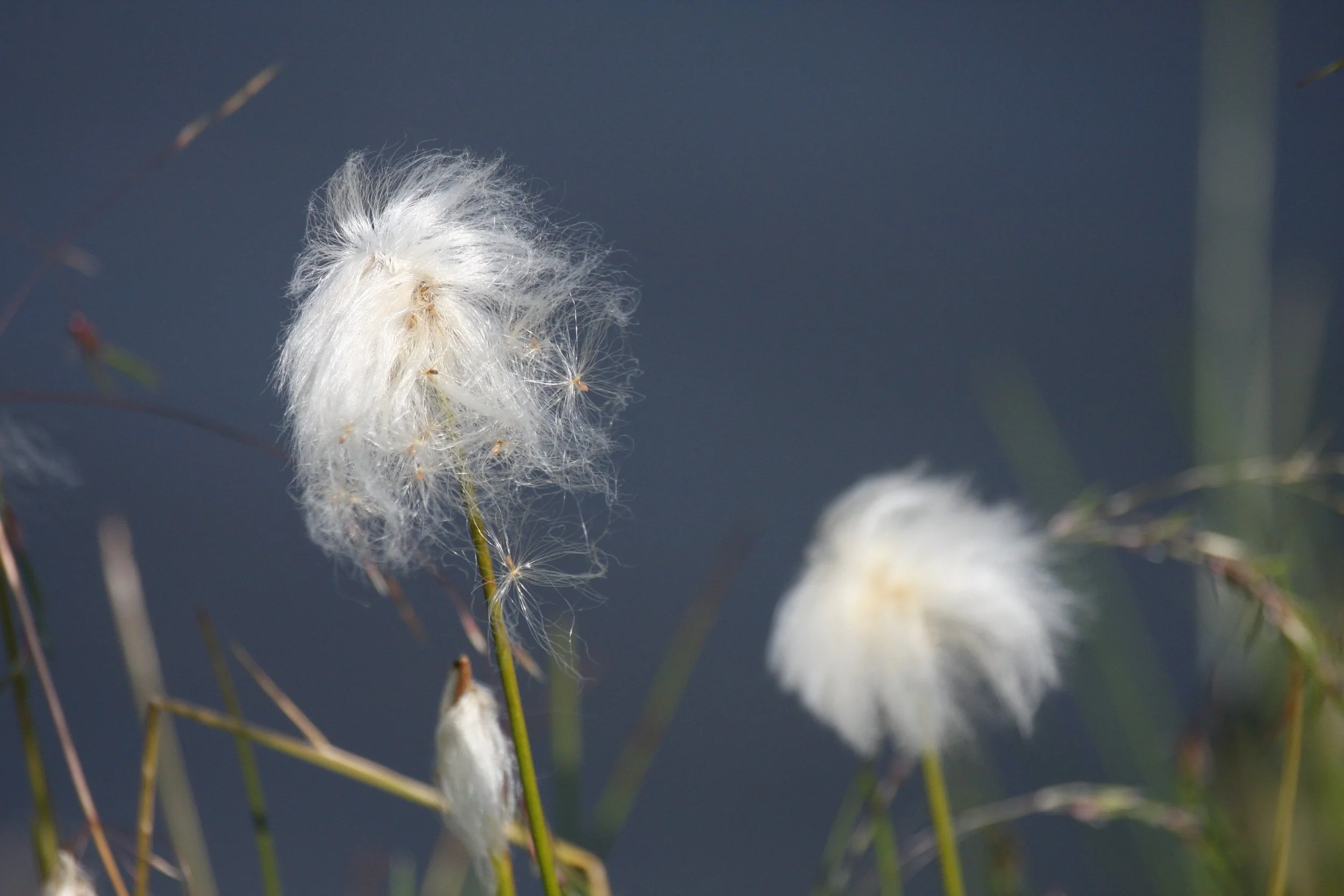
Western Greenland:
Northwest Passage:
travel journal text and photography by Mark Grantham