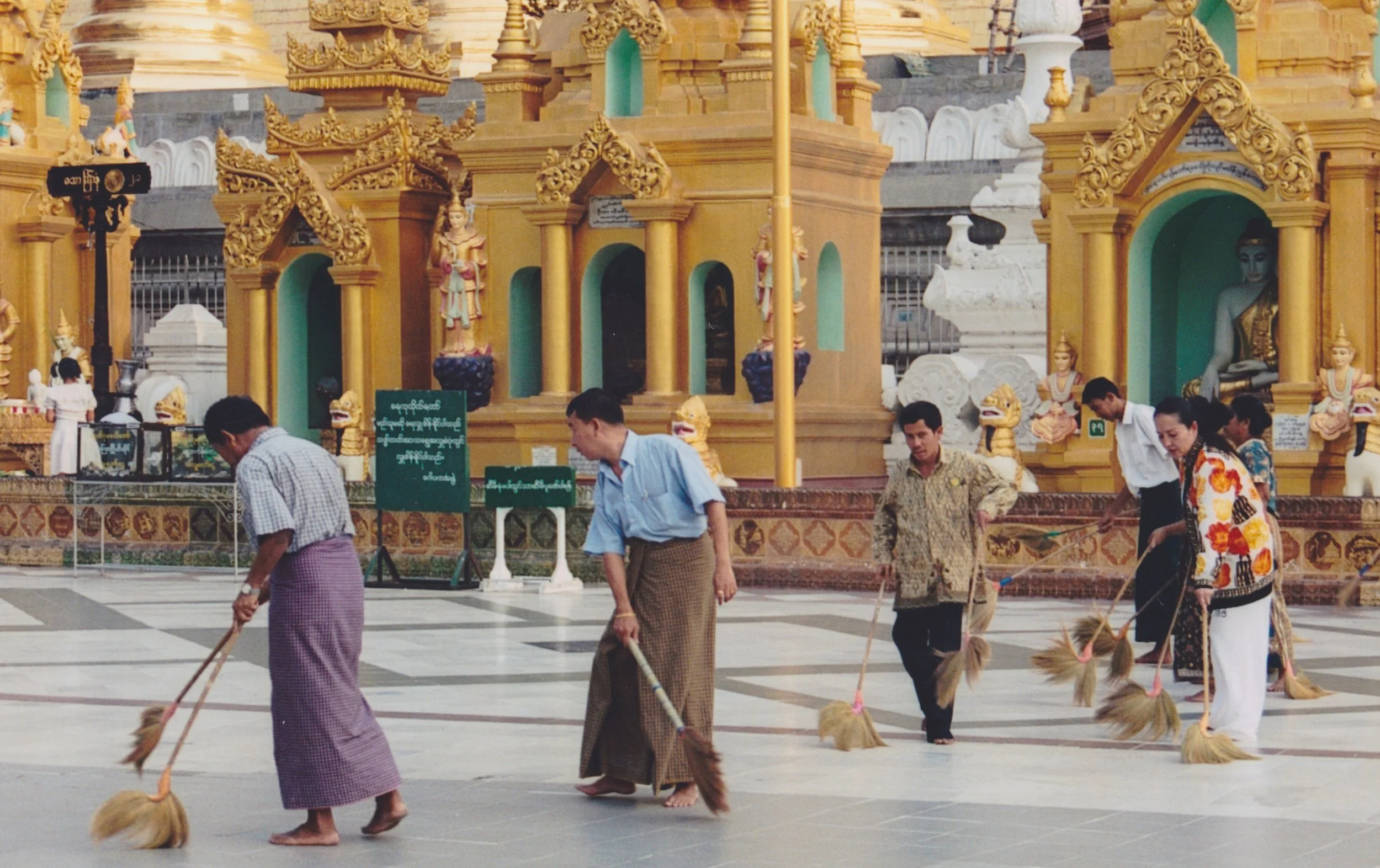
Myanmar
February 2003
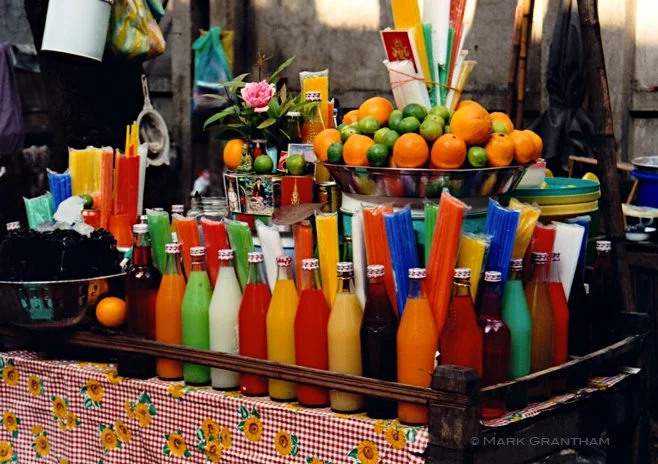
Myanmar (Burma) was amazing, wonderful, exciting, extraordinarily safe and culturally enriching. Imagine a country where there are no Hilton Hotels, Fords or Chevrolets, Taco Bells or McDonalds, or Pepsi! I can't say they have not been influenced, but it is still pretty minor. We did see a "McBurger" restaurant in the capital, complete with golden arches for the "M", and apparently burgers are catching on as the new breakfast treat. The last day we were there I was told that Coca Cola is imported, but not in quantity and it's not popular - we never saw it. The locally bottled Star Cola tastes about the same, and costs 10 cents a bottle from the vendors. A couple of U.S. brands of beers are imported, although they bottle several varieties also.
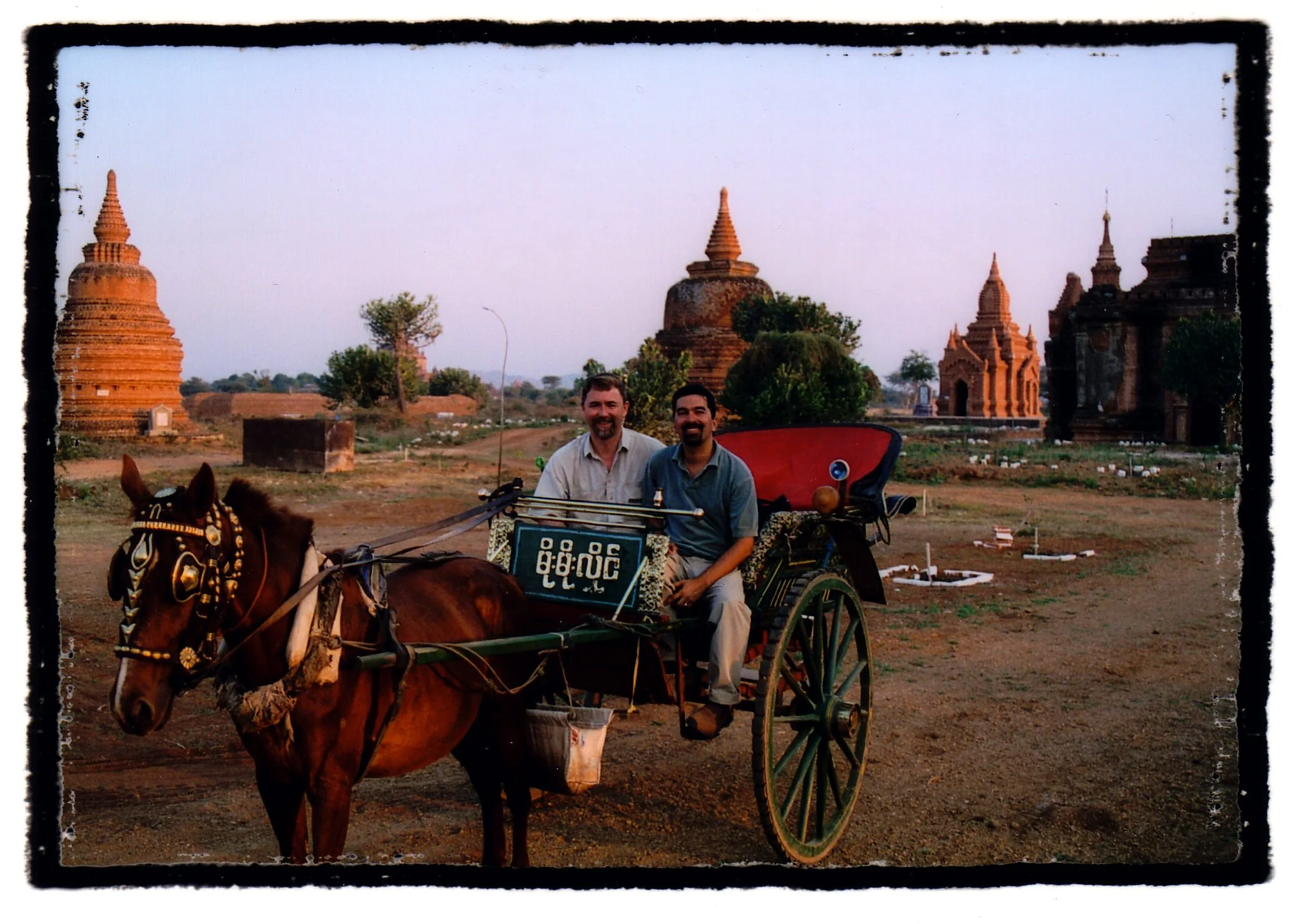
horsecart ride through Bagan on our 20th anniversary
Nearly all the people speak at least some English as this was a British colony for several generations. The locals like Americans (and voiced support for us and our questionable world politics as we were preparing to engage in war). There is no denying that they have a terribly repressive government in place. No one talks about it much (it is actually forbidden). There is virtually no internet service, and any e-mail messages coming or going to the country are censored. There is absolutely no web access from inside the country. It costs about $200 to even buy an internet address that can be used domestically. A cell phone costs about the same to purchase so nobody has them. Television does not seem censored though and we saw (too often) bits of CNN or the BBC news broadcasts.
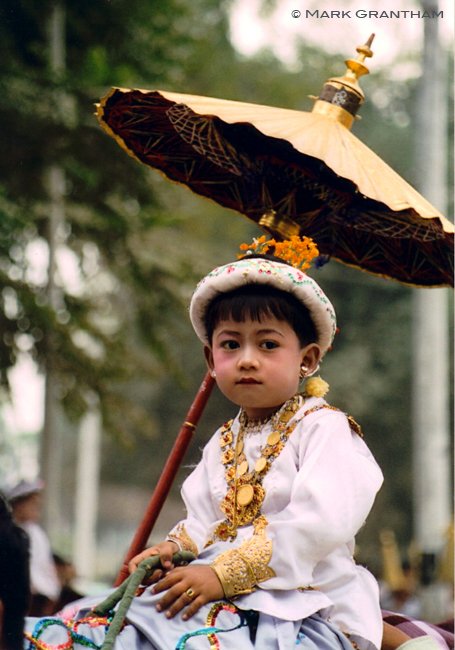
The population is educated, to a point. Primary school and high school are for 10 years rather than our 12. Nearly everyone can go to college (no tuition) based on their past academic performance. The colleges are located in the two largest cities though, so few country people will follow this path. More than 85% of the population is Buddhist.
Myanmar is geographically the size of France and England combined. The population is 50 million. 5 million live in the capital city of Yangon (formerly Rangoon), yet there are virtually no high rise buildings (typically just 3 or 4 stories). The streets are tree lined (even "downtown") and there are numerous parks and plazas.
I had only learned a couple words of Burmese (hello, please, thank you, water, beer, etc.), and they proved to be very useful. Useful not because they were needed, but because they got the locals to laugh (something about my pronunciation maybe!). Actually, between receiving so few tourists, and their English proficiency, I think it was pretty novel to have a tourist using any local words at all. I never failed to receive a quick response and smile.
We traveled with a local tour company. This isn't how we normally travel, but we only had 6 days there after the Thailand portion of the trip, and didn't want to waste time searching for hotels or transportation. It was also our 20th anniversary so we felt like staying a little more upscale than usual - both hotels were wonderful! We had custom designed this as a private itinerary to still include two free days (one in Yangon and the other at the ruins of Bagan - the only two parts of the country we really saw).
Free enterprise is alive and well in Myanmar. This actually made it very easy to avoid spending any money with the government. Our hotels were privately owned, we flew one of the two privately owned airlines, and we ate in privately owned restaurants. Many, many venders and street shops and street food stalls are to be found. Prices are very low as a tourist, but we (the tourists) have a very different economy than the locals.
One of our guides will be graduating in May with a 4 year history degree. His only job option is teaching, which will pay about $20-30 a month (plus some food and dry goods subsidies). As a tour guide he is paid a paltry sum, but he earns tips (the company recommendation was $10 a day per tourist to the guide - do the math, even working 2 days a month guiding two tourists and he has come out ahead). Factory workers (in places like the laquerware factories turning out items for the tourists to buy) earn more than a government worker - typically $1 a day.
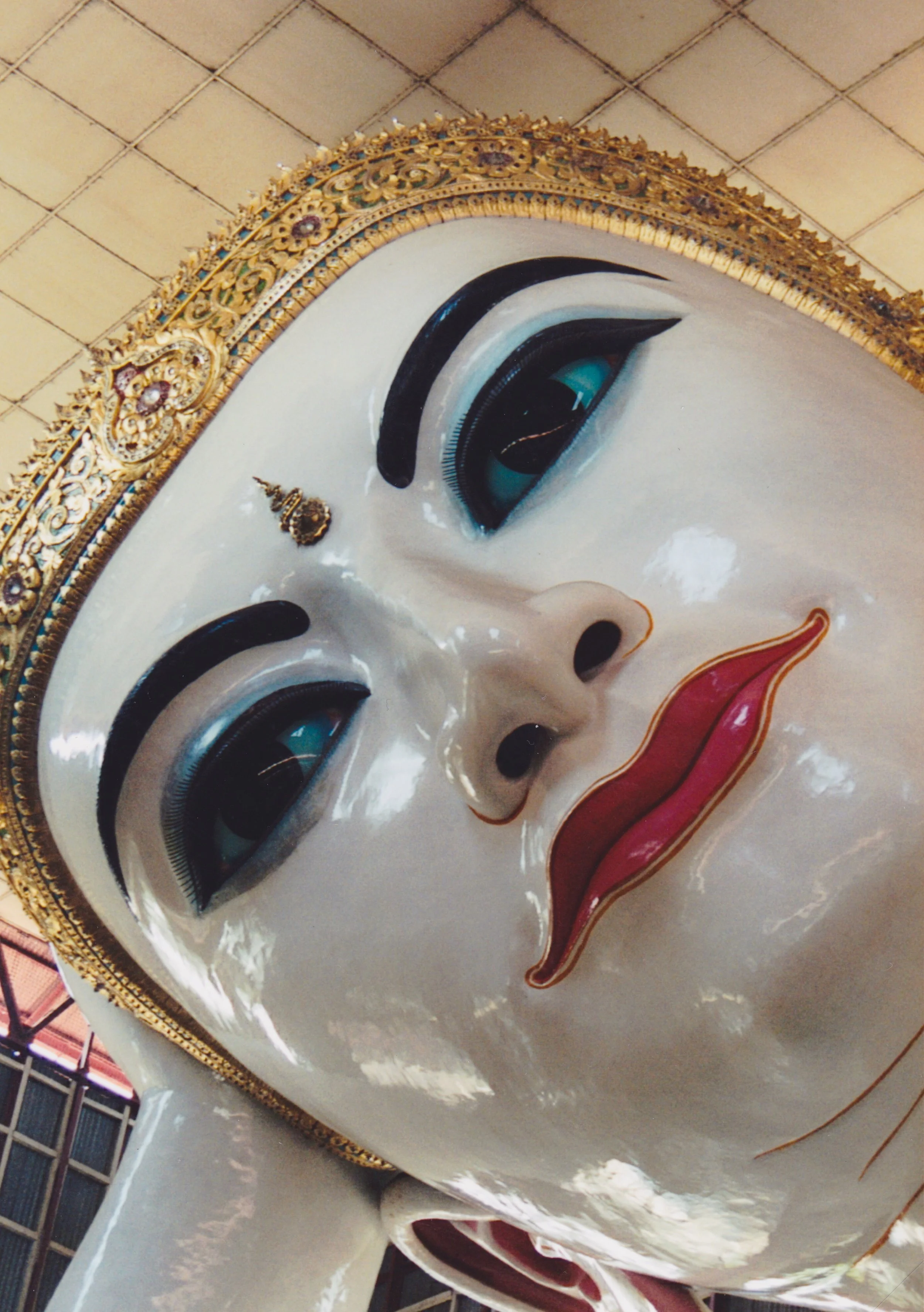
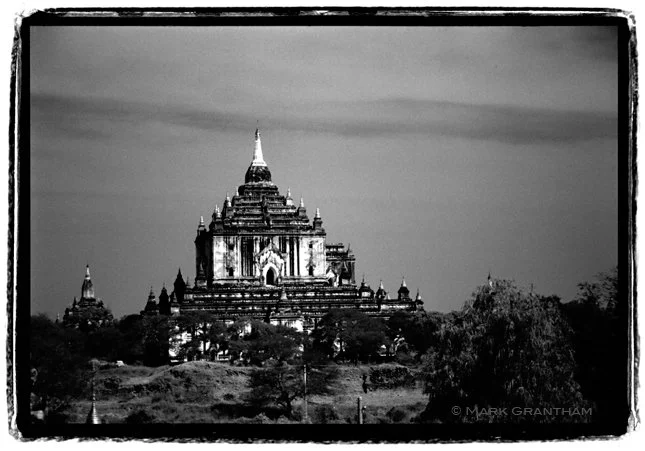
I didn't start out to write so much, but Myanmar is such an amazing place, I keep getting carried away. The temples are stupendous. There are over 2,000 temples in the Bagan area alone. Very different environment than Ankor Wat in Cambodia, but Bagan is no less amazing. We plan to go back, and hopefully in the next couple of years - there is a lot more of the country to see.
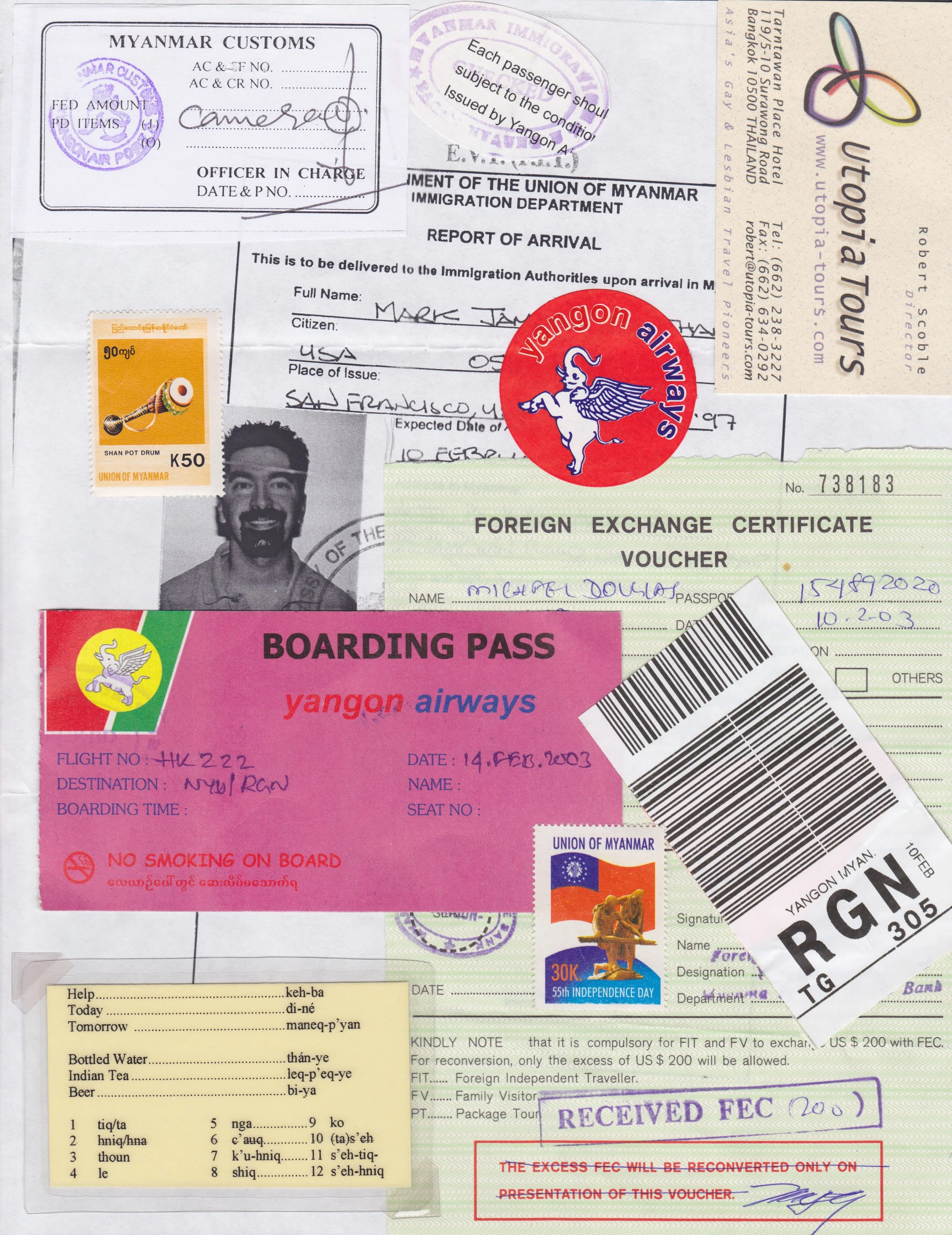
A few notes from Mike’s journals…
Our arrival at Yangon International Airport was decidedly odd. Before customs or immigration we were greeted by a woman holding a signboard with our names. She was our “receptionist”. While we were invited to take a seat, she went through immigration for us! That chore complete we went to baggage claim, while she cleared customs for us. A quick stop so the customs agent could look in my backpack and we were off. At that point we were handed off to the guide and driver for a quick 25 minute drive to the hotel. About the time the back rows of the economy class passengers just getting through immigration at the airport, we were again invited to take a seat, given a welcome drink, and and waited while the guide checked us into the hotel! This isn’t the way we are used to traveling! Time and time again in Myanmar the guide or receptionist had us sit down while they checked us in to a hotel, a flight, reconfirmed a flight, or changed a flight. Apparently we looked rich and helpless.
Driving in Myanmar… While a British colony, Burma drove on the left. With independence in 1948 Burma switched to the right side. In retrospect this was a strange choice for a country shoehorned between Thailand and India - both of whom drive on the left. The strangeness continues. Most of the cards, busses and trucks are old Japanese models with right hand drive. My estimate is that in Yangon 25% of the vehicles have a proper left hand driver position, and 75% the right hand. So 3/4 of the drivers have a great view of the curb. In Bagan left hand drive cars are so rare that our college educated tour guide was unaware that driving a right hand drive car on the right side of the road was considered odd in most of the world.
In Yangon, used Japanese busses careen down the street with the three original doors on the traffic side and one new door carved into the curb side. The left side doors still have passenger entry and exit signs, in Japanese, and in some cases sport their original municipal paint jobs. I suspect that - like the busses - most of the “new” cars on the road are imported used from Japan.
Here in Bagan you see the occasional old micro-Mazda with left hand drive. Ironically the British made Land Rovers all have left hand steering wheels.
Yangon departures… Yangon International Airport might be the dingiest airport in the world. Dark, dirty, decrepit, and sleepy. For a city of 5 million there are hardly any flights. Thai has 2 or 3 a day to Bankok. Malasian advertises service, but I saw no other evidence that that it existed. The domestic airlines (there are 3) share the same building. Their services seem to exist primarily of “milk-runs” that loop out from Yangon in the morning and hop skip and jump in a loop returning to Yangon by evening.
Our Thai flight out, at 7:45pm, appears to the the last of the evening. The airport was dead. About 6 prop jets are dark. One other jet shows lights. Perhaps it just arrived. Otherwise nothing. One imagines them waiting for us to take off and then turning off the runway lights and going home. Yangon itself dies out pretty fast - hardly any lights to be seen below.
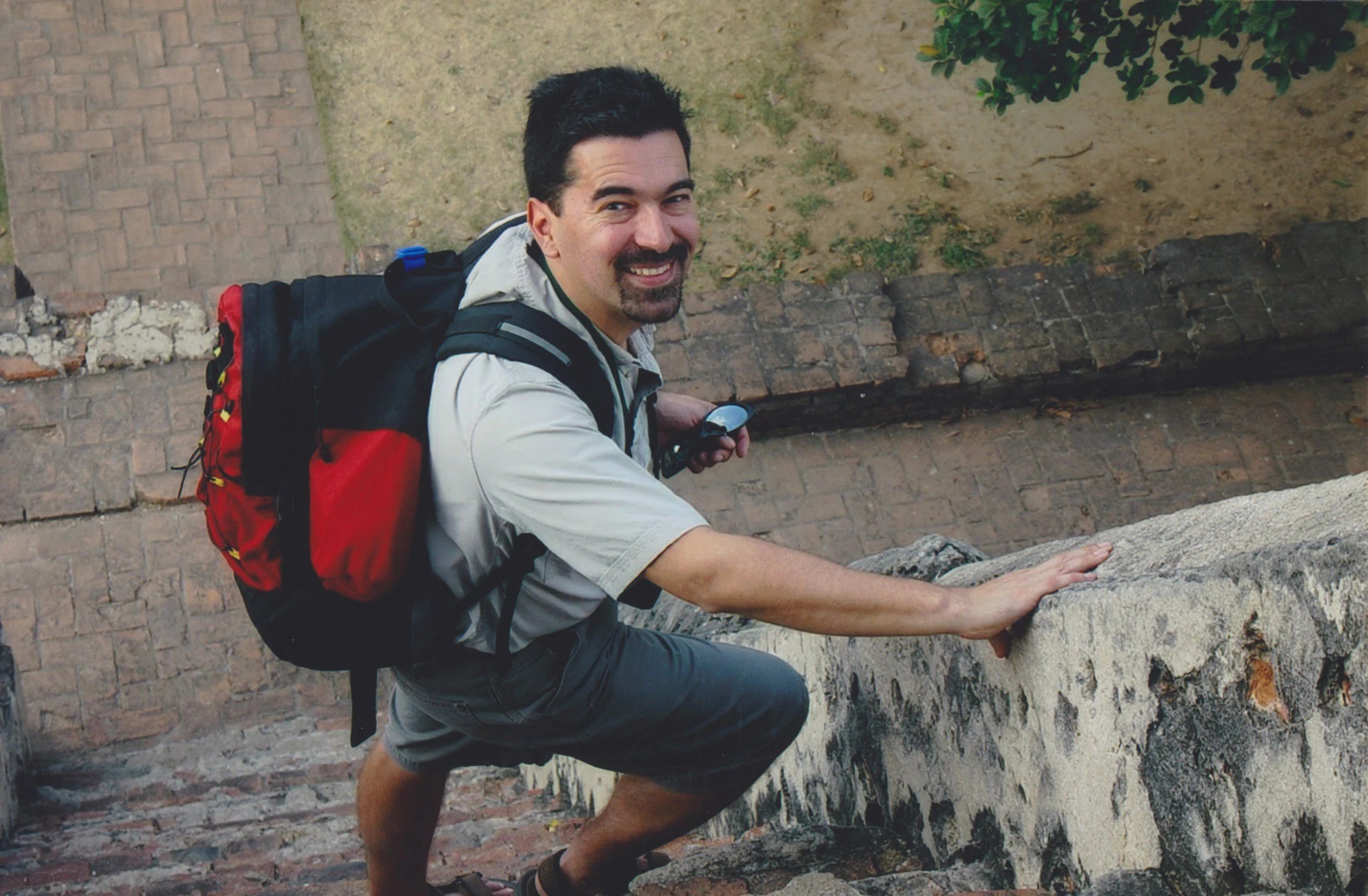
the story of the ride
LA at last! ALC 5: 2006
travel journal text and photography by Mark Grantham